



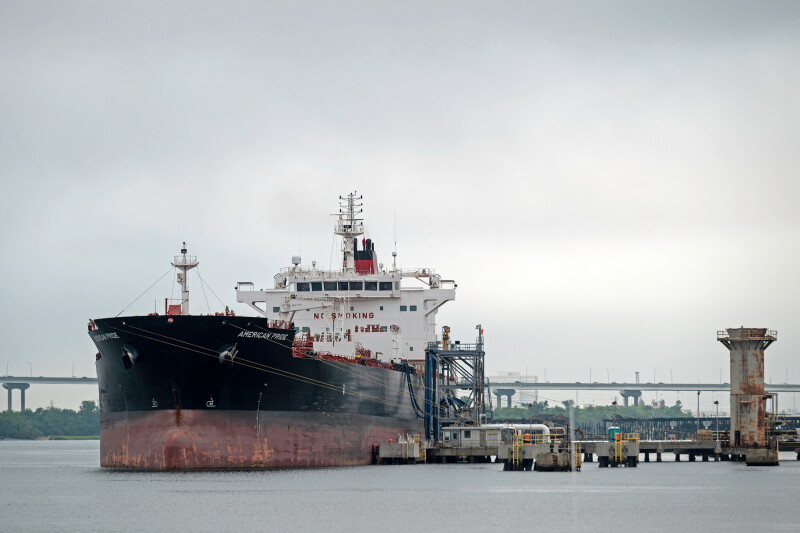
The Trump administration’s Maritime Action Plan (MAP) is, by nearly all accounts, what the domestic maritime industry has been waiting for. It is a comprehensive strategy to reverse decades of decline, rebuild American shipbuilding capacity, grow the mariner pool, and restore U.S. maritime dominance. While many questions remain, especially around policy implementation and funding, the industry, by and large, came together to praise a moment of optimism for a sector that doesn’t get many wins of this magnitude.
Then came the Jones Act waivers. First a 60-day measure in March — supposedly issued to ease fuel price pressure tied to the conflict in Iran, according to the White House — then stretched another 90 days through a waiver extension, making it the longest Jones Act waiver in the law’s history.
Analysts predicted that the move would have a negligible impact on prices at the pump. They were right. National average gasoline prices have risen since the waiver was issued, not fallen. Meanwhile, U.S.-flag vessels have been available for nearly all of the waiver voyages completed so far, making the emergency rationale hard to justify.
So what have the waivers accomplished? Foreign operators have moved into domestic energy trade routes that Jones Act operators have served well for decades. In addition, a maritime investment platform reportedly paused a planned $1 billion capital raise tied to U.S. maritime projects, putting more than $2.6 billion in active shipyard contracts at risk.
This can’t be the desired outcome for an administration that, just months ago, was calling for hundreds of billions in new maritime investment.
Debate around the Jones Act is nothing new. The problem I see now is a lack of coherence. The MAP calls for growing the U.S.-flagged fleet, strengthening the shipbuilding industrial base, and sending a clear signal to investors and workers that America is serious about its maritime future. The waivers send a different message: that American vessels can be sidelined when politically convenient and that the commitment to domestic maritime has an asterisk attached.
The U.S. maritime industry is accustomed to mixed messages from Washington. But it’s worth asking loudly and directly how a policy that has failed on its own terms, while undermining the very sector the administration pledged to revitalize, continues to be extended. The hardworking members of the American maritime industry deserve a better answer than the one they’ve gotten so far.
