



The White House is considering extending its temporary waiver of the Jones Act for a third time as renewed conflict involving Iran raises concerns over higher energy prices and potential supply disruptions, according to Reuters reporting.
Administration officials are evaluating whether to continue allowing foreign-flagged vessels to transport cargo between U.S. ports, while potentially limiting the waiver to specific geographic regions. According to Reuters, officials are considering regional restrictions in an effort to preserve additional shipping capacity while addressing criticism from the U.S. maritime industry.
Reuters reported that White House officials met earlier this week with leaders from the U.S. Departments of Energy, Transportation and the Interior to discuss options ahead of a possible decision before the end of July.
A White House official told Reuters that no decision has been made, noting the current waiver remains in effect through Aug. 16.
"President Trump's decisive action to waive the Jones Act has helped prevent supply chain shortages across the country. The administration is regularly monitoring how the waiver is being used," the official told Reuters.
The Jones Act requires cargo transported between U.S. ports to move aboard vessels that are U.S.-built, U.S.-owned and U.S.-crewed. The Trump administration first issued a temporary waiver on March 17, allowing foreign-flagged vessels to carry commodities including oil, fuel and fertilizer between domestic ports. The waiver was later extended through Aug. 16.
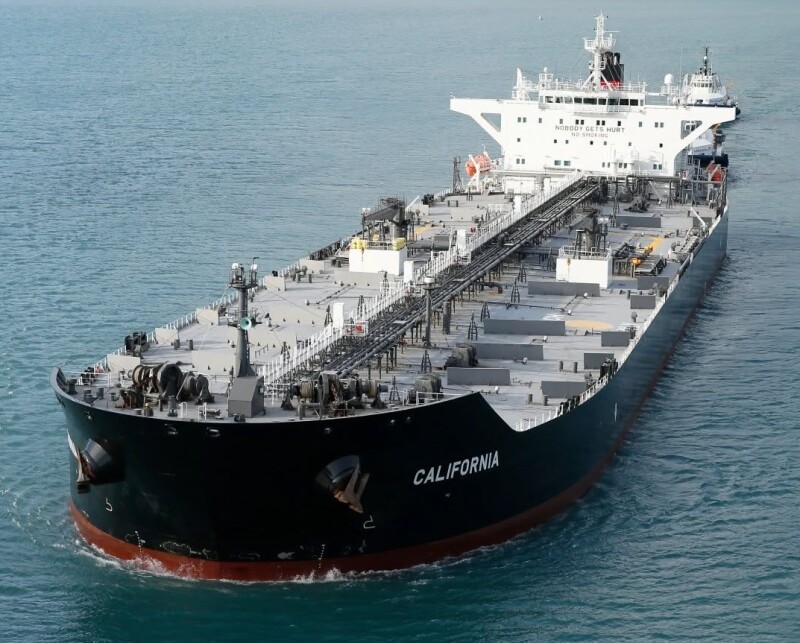
The administration has argued the waiver increases available shipping capacity and helps move energy supplies more efficiently as oil prices have climbed to about $80 per barrel. Data compiled from Jones Act waiver cargo movements suggests the policy has had little measurable effect on fuel prices. As of April 28, nine relevant full-tanker shipments moved a combined 2.49 million barrels, or about 104.5 million gallons, of fuel under the waiver – equivalent to just 0.66% of U.S. gasoline consumption during the same period. Even using a previous estimate of a 2.38-cent-per-gallon transportation cost advantage for foreign-flag vessels, the nationwide savings amount to roughly 0.016 cents per gallon, or about 0.004% of the retail price of gasoline. California, which received the largest share of waiver shipments, also recorded the largest increase in gasoline prices over the period. Based on those figures, the waiver has produced no perceptible reduction in fuel prices, calling into question its effectiveness in achieving its stated objective.
The waiver has drawn strong opposition from maritime industry organizations, who argue it undermines the domestic maritime industrial base and weakens U.S. national security by reducing demand for American-built vessels and U.S. mariners.
In response to these reports, the Offshore Marine Service Association (OMSA) criticized the potential extension. "The waiver has failed. It has not lowered gas prices, but it has taken jobs from U.S. citizens and contracts from U.S. businesses," said OMSA president and CEO Aaron Smith. "The waiver’s lasting effects will be felt long after it ends. It has undermined confidence in the health of the maritime industry and made investors question future investment in the industry."
While the administration maintains the waiver has eased supply constraints, critics dispute its effectiveness and contend it could have long-term consequences for the nation's shipbuilding industry and Jones Act fleet.
