



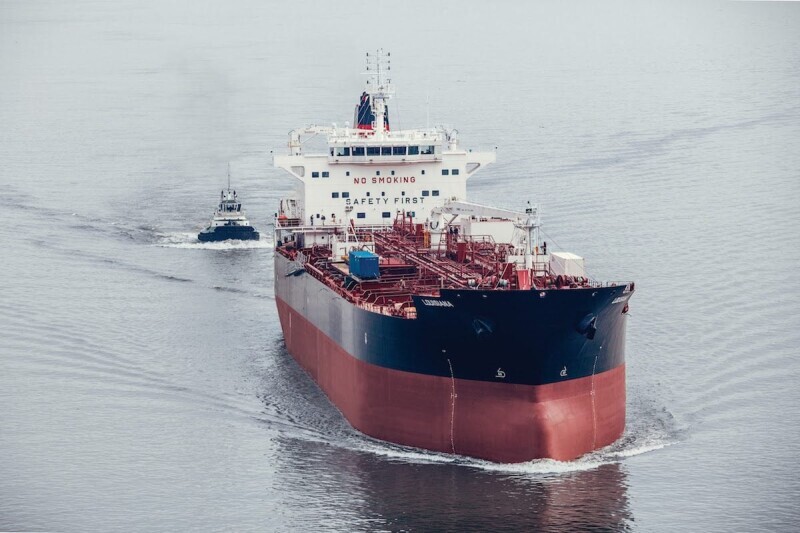
The American Maritime Partnership is urging President Donald Trump to let the current Jones Act waiver expire Nov. 15, arguing that its continuation threatens investment in U.S. vessels, shipyards, and the maritime workforce.
In a Nov. 3 letter to Trump, AMP President Jennifer Carpenter said the waiver had failed to deliver measurable savings for consumers while allowing foreign vessels to carry domestic cargo and creating uncertainty for U.S. maritime businesses.
“The waiver responded to an extraordinary energy disruption, but after eight months, the record is clear: continuation of the waiver threatens to curtail your ambitious agenda to unleash investment that will restore American maritime dominance,” Carpenter wrote.
Carpenter’s letter cited reports from industry participants of more than $2.6 billion in delayed investments in new vessels and shipyard expansion. It separately cited more than $700 million in planned Jones Act dredging vessel investment deferred amid uncertainty over the waiver, along with financial institutions reassessing lending decisions for domestic vessels.
Carpenter argued that maritime investment depends on long-term contracts, predictable cargo demand, and confidence that domestic trades will remain available to U.S. operators. Another extension, she wrote, would prolong uncertainty affecting vessel financing, shipyard expansion, and workforce growth.
The letter distinguished between the broad waivers in effect from March through mid-August and the case-by-case review process implemented in August.
According to AMP, the revised process involved the Maritime Administration and Department of Defense working with U.S. vessel owners to identify available American vessels before permitting foreign vessels to carry cargo under the waiver. The administration also clarified that foreign companies using the waiver remained subject to U.S. tax laws, Carpenter wrote.
AMP said reported foreign vessel movements declined after those changes while essential cargo continued moving between U.S. ports.
“We appreciate your Administration’s actions to narrow the scope of the waiver and reduce its negative impacts on the U.S. maritime industry,” Carpenter wrote.
The organization nevertheless argued that the waiver should expire, with any subsequent national security emergencies addressed through the existing case-by-case process under 46 USC 501(b).
AMP also challenged the waiver’s effect on fuel prices. The letter cited published analyses finding no demonstrated retail benefit and estimating a maximum gasoline price effect of less than half a cent per gallon.
Carpenter argued that allowing foreign vessels into domestic trades could not resolve the global shipping disruptions, inventory constraints, or crude oil and refining economics driving fuel prices.
The letter also raised national security and enforcement concerns. AMP said more than 28% of reported waiver voyages involved vessels or companies directly tied to China, including COSCO vessels it linked to alleged intelligence-gathering activity. It also questioned compliance by foreign operators with U.S. tax, immigration, labor, security, and safety laws.
Carpenter said ending the waiver would support the administration’s stated goals of expanding American shipbuilding and strengthening the domestic maritime workforce, while preserving a mechanism to address emergencies that U.S. vessels cannot meet.
