



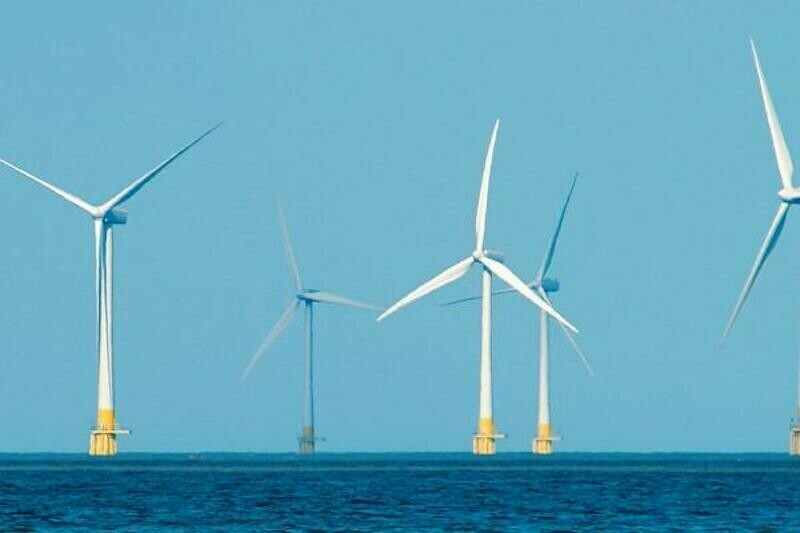
Seven Northeast states sued the Trump administration to stop its deal to pay offshore wind developer TotalEnergies nearly $1 billion to cancel two projects and walk away from all offshore wind development in the U.S.
The planned Attentive Energy project, located about 47 miles offshore in the New York Bight, could have powered up to 1.3 million homes in New York and New Jersey if developed, according to the lawsuit led by New York State officials.
Faced with the Trump administration’s unrelenting hostility toward renewable energy, France-based TotalEnergies opted in March to accept a proposal to surrender its wind leases, valued at $795 million, in exchange for a commitment to invest more in U.S. oil, gas, and LNG projects.
TotalEnergies chairman and CEO Patrick Pouyanné pointedly cast his company’s lot with the Trump administration in a joint March 23 public statement from Interior officials.
“Considering that the development of offshore wind projects is not in the country’s interest, we have decided to renounce offshore wind development in the United States, in exchange for the reimbursement of the lease fees,” said Pouyanné.
Northeast states including New York, New Jersey, Connecticut, Maine, Massachusetts, Rhode Island, and Vermont had long been at the forefront of developing wind power projects, both during the Biden administration and Trump’s first term, before the current administration’s reversal on the issue.
“This pay-not-to-play scheme pressuring a foreign company to forego planned offshore wind projects in America in favor of gas and oil drilling is an outrageous abuse of taxpayer dollars that hurts our ability to meet our energy needs, create good jobs, and help secure American energy independence while reducing emissions,” New York Gov. Kathy Hochul said June 2 in announcing the lawsuit filed in federal court.
The states’ lawsuit is the latest salvo in ongoing courtroom battles over the Trump administration’s attempts to cancel previously permitted projects. Five projects off the East Coast have survived. With TotalEnergies, the administration shifted its approach, moving toward buying out leaseholders whose projects have further to go before construction can begin.
Wind power advocates who had hoped for a strong pushback applauded the states’ court action.
“For more than a year, offshore wind has faced an unprecedented and unrelenting campaign of political interference despite billions in private investment, state commitments, and court rulings,” said Liz Burdock, executive director and CEO of the wind power advocacy group Oceantic Network. “These continued attacks on offshore wind are not just an assault on a single industry — they are an attack on American workers, energy affordability, national security, and the states’ right to shape their own energy future.”
Rising electricity prices for homeowners are giving advocates an opening to argue for an eventual revival of offshore wind.
“Offshore wind remains one of New Jersey’s greatest energy affordability and climate solutions, with the potential to generate large-load clean energy to offset increased demand coming from the build-out of data centers,” said Anjuli Ramos-Busot, director of the New Jersey Sierra Club, after that state joined the lawsuit.
