


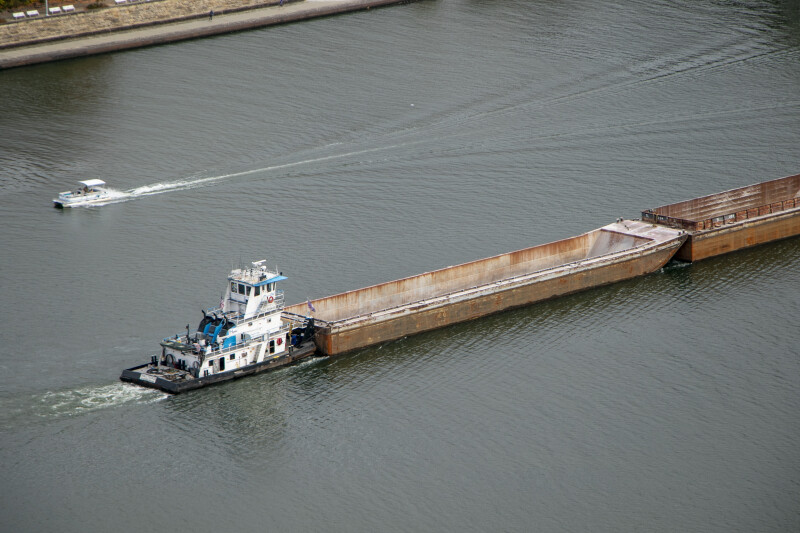
I’ve always enjoyed being on the water, and it’s no surprise why so many enjoy their time there. There is something special about it, from the specks of saltwater in the air, to the sun shining down and reflecting off the water, to the cool breeze running across your face, all while being away from the noisy streets and congested traffic patterns found on shore. However, there is a massive difference between being a licensed officer working on the water and your average recreational boater, and that difference places an unfair, but true, burden on commercial operators. I believe it comes down to two major factors: knowledge and responsibility.
For anyone who works aboard or operates a commercial vessel — from the smallest water taxi to an ultra-large container carrier and everything in between — professional mariners are tasked with safely operating in all navigable waters. What is not always clear is who else is operating on those same navigable waters with them. Licensed mariners are trained on the rules of the road, operating at a safe speed, and how to properly communicate bridge-to-bridge. But in many states, recreational boaters may need only a vehicle driver’s license, or less, to take their boat or craft onto those same navigable waters.
It would be foolish to expect the average boater to have the same knowledge as a seasoned licensed mariner. But because of that, licensed mariners must expand their own knowledge to stay aware of this gap. I fully believe that our waterways should be shared by all, yet countless incidents and near misses occur every year throughout the waterways, involving both recreational boaters and commercial operators.
So what is the realistic solution? In a perfect world, everyone on the water would be educated on how to be there safely, but that will never fully be the case. Instead, there are a handful of solutions that can better support each side. The best solutions I’ve been part of involve education and outreach campaigns. I have worked on informational training videos with large associations and alliances that share the commercial operator’s point of view. I’ve also sat down with local communities to understand recreational users’ concerns and feelings. The upside is that everyone wants the same thing: to safely use the water for their own needs and desires. But until greater government oversight enters the conversation, my biggest takeaway remains that licensed operators must recognize the gap in navigational knowledge between themselves and many recreational boaters sharing the same waterways. For licensed operators, that recognition remains their responsibility.
