



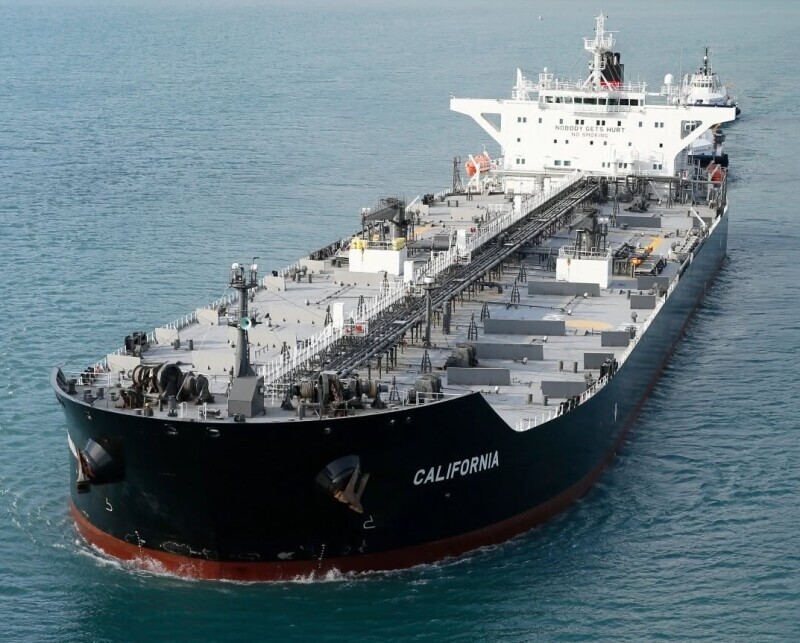
Foreign-flagged tankers have carried petroleum products between U.S. ports under this year’s Jones Act waiver without appearing in the Maritime Administration’s public voyage reports, according to an analysis by Bloomberg Government. The gaps complicate efforts to measure use of the waiver as a revised approval process begins to take effect.
Bloomberg Government identified at least a dozen vessels carrying more than $40 million in petroleum products on domestic routes, including voyages from the Gulf Coast to the East and West coasts and Puerto Rico. It compared vessel reports filed with a Coast Guard ballast-water program against port-call and cargo data, then checked the voyages against Marad’s published reports. A Marad spokesperson confirmed the activity to Bloomberg Government.
The Jones Act generally requires vessels carrying cargo between U.S. points to be U.S.-built, U.S.-owned and qualified for coastwise trade. Recipients of a waiver, including vessel owners and operators, must report voyage dates, ports of call, cargo and other information to Marad within 10 days of a voyage’s completion. Marad says it publishes those reports within 48 hours of receiving them.
The administration issued the waiver March 17 amid concerns about energy and fertilizer prices. An extension that took effect Aug. 17 narrowed eligible cargoes and introduced case-by-case review. Industry sources told Argus Media that roughly half of requests have been approved under the revised process, compared with the broad approvals granted earlier. That estimate could not yet be assessed against Marad’s published voyage data.
As of Sept. 16, Marad’s database listed 255 voyages, including 30 posted after the revised process began, according to Argus Media. All 30 had loaded before Aug. 17. The reporting deadline runs from the end of a voyage, and a trip may take weeks to complete, leaving a lag between an approval and its appearance in the public record.
The unreported movements identified by Bloomberg Government present a separate gap. They indicate that the number of domestic shipments carried by foreign-flagged vessels may be higher than Marad’s published count. Marad told Bloomberg Government it lacks authority to compel the required reports. U.S. Customs and Border Protection enforces the Jones Act and can impose penalties for violations, according to Marad.
“It’s outrageous that foreign operators are not reporting their movements under the waiver. Reporting is specifically required by law, which was emphasized in the U.S. Customs and Border Protection notice of the waiver. It begs the question of what other U.S. laws – like immigration, taxation, and labor – are not being followed by foreign vessels using the waiver. It’s time for the Administration to end the waiver, and it’s also time for Congress to conduct vigorous oversight of the waiver process,” said Jennifer Carpenter, president of the American Maritime Partnership.
Supporters of the waiver point to the additional shipments it has allowed between U.S. ports. The published voyage count, however, provides an incomplete measure of that activity, while the results of the tighter review remain difficult to gauge.
