


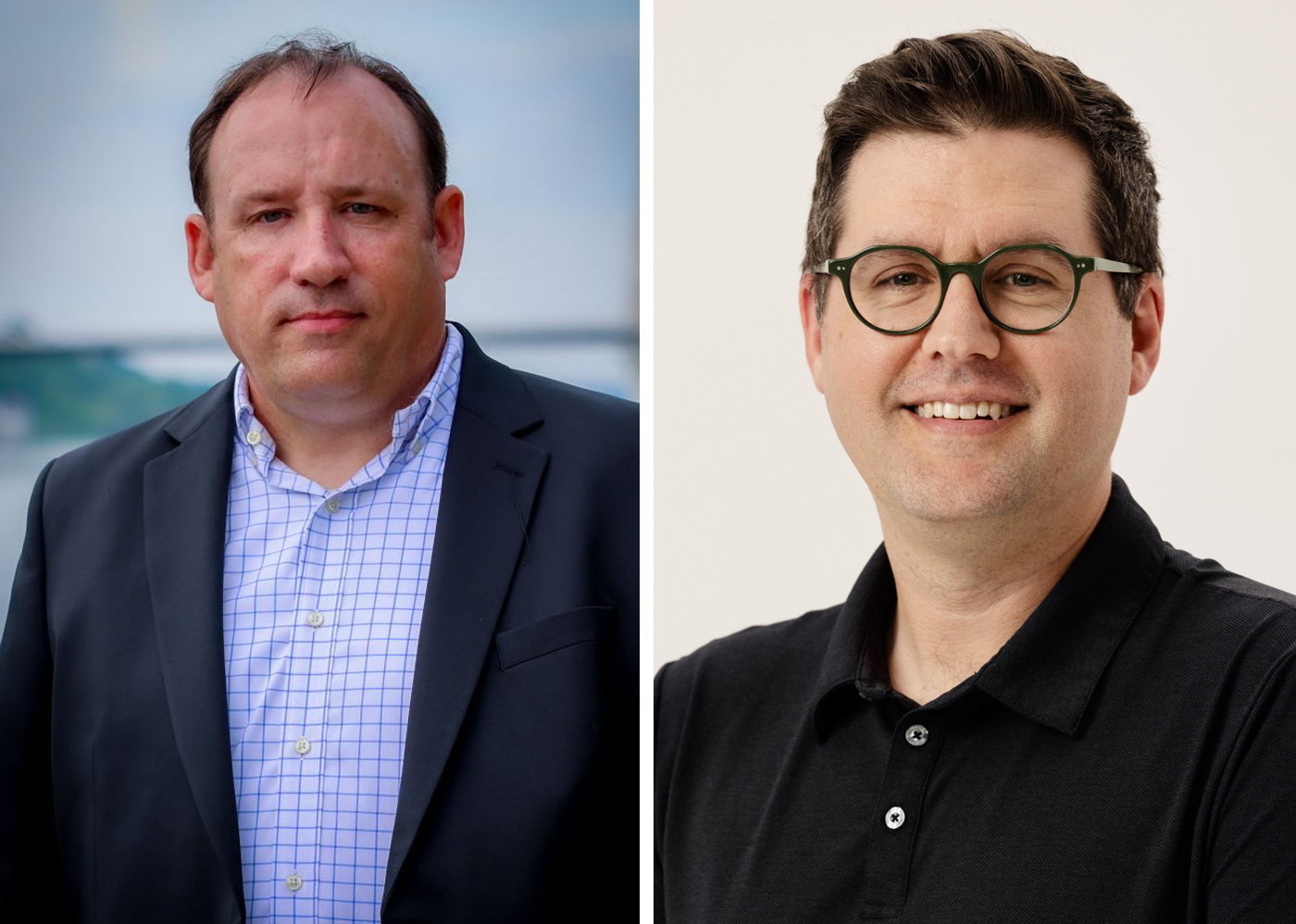
Randy Chamness, vice president of vessel operations for American Commercial Barge Line (ACBL), and Bradley Krischel with the U.S. Army Corps of Engineers’ St. Louis District teamed up for a panel at FreightWeekSTL 2026 highlighting collaboration between the maritime industry and government agencies — collaboration that’s key to maintaining safe freight movements through the nation’s inland waterways. FreightWeekSTL 2026 is a five-day conference hosted each year by the St. Louis Regional Freightway.
In low water and high water alike, that partnership between private operators and government agencies — particularly the Corps of Engineers — helps ensure safe and efficient navigation and allows operators to meet shifting supply chain needs.
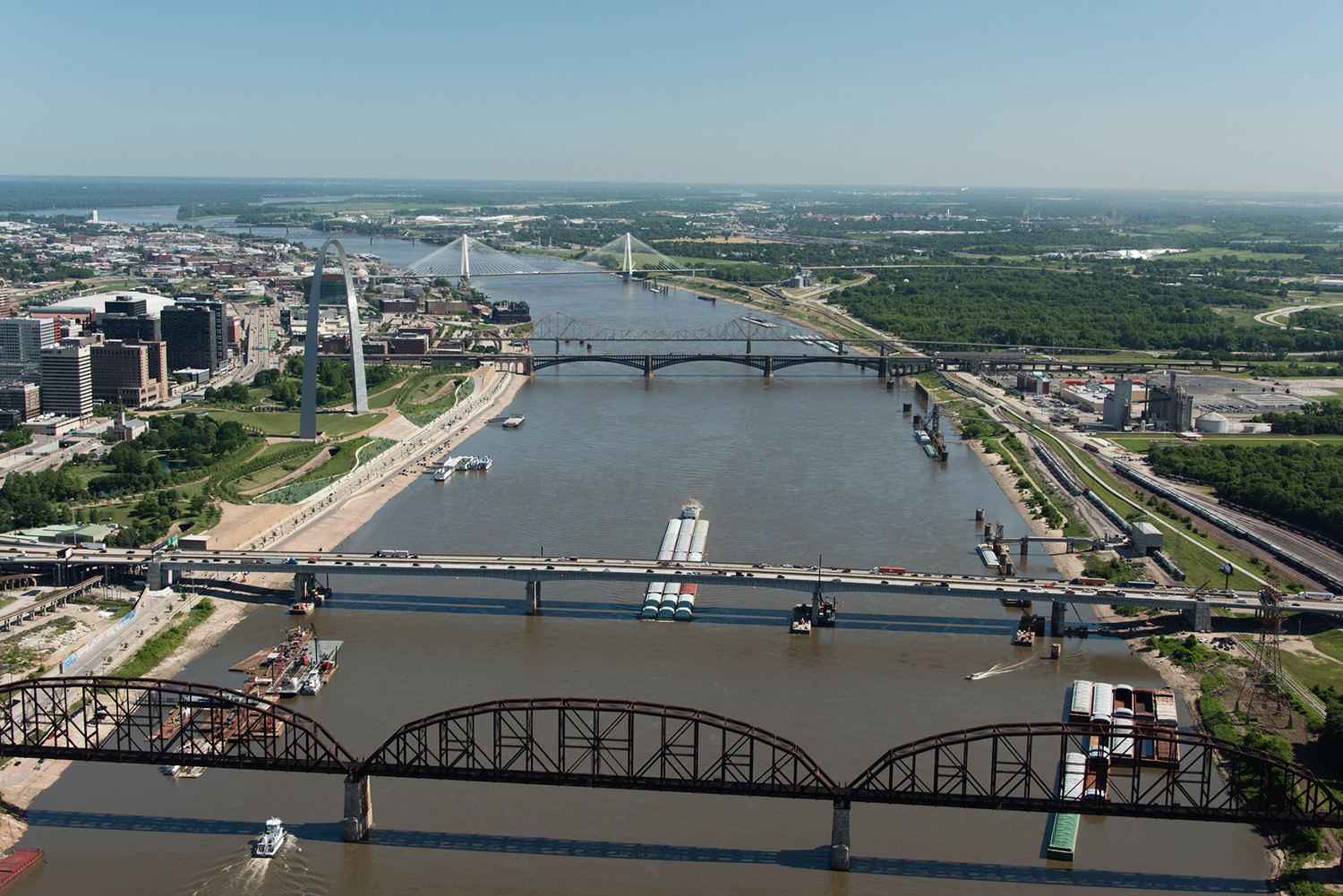
Krischel emphasized dredging to target trouble spots on the Mississippi River and its tributaries and building and maintaining training structures that can help rivers “self-scour” to keep channels at adequate depths. Revetment on the Lower Mississippi River is another annual endeavor, with the Vicksburg District’s Mat Sinking Unit identifying scours along the riverbank and countering that by laying articulated concrete mat each year.
“The river’s very dynamic,” Krischel said. “It’s always changing. It takes constant monitoring and a proactive approach to keep traffic moving safely and efficiently through the region.”
Dredging operations, the Corps’ revetment program, lock and dam maintenance and construction, and the installation of training structures all require close coordination between industry and the Corps in order to plan cargo movements when navigation channels are closed or restricted.
“It’s really a year-round partnership,” Chamness said. “A lot of the work is done in the off season, planning, collaborating, and communicating on how we can work together in these trouble areas to keep the channel open.”
One way Corps and industry representatives achieve that is through the Corps’ “Weekly Navigation Channel Conditions Status Report,” Krischel said, which communicates conditions system-wide to various stakeholders and system managers.
“It’s consistent two-way communication with the people who are actually out on the river every day,” he said. “The private sector brings that real-time operational awareness that is combined with our system management, so we’re in a much better position to keep the system moving safely and efficiently.”
Chamness and Krischel discussed changing river conditions, including rapid transitions between high and low water that can be a challenge for operators and cause navigation disruptions. Krischel discussed how the Corps is working to improve forecasting and data monitoring in order to get ahead of issues before they disrupt navigation.
“It’s no longer enough just to react,” he said. “We have to stay a step ahead of what the system might be doing.”
Chamness added that rapidly changing conditions don’t just pose challenges to navigation. They also pose concerns for safety.
“The river is actually most dangerous when it’s in transition,” Chamness said.
Navigation infrastructure is a major way to improve cargo flows, both Chamness and Krischel said, with Krischel discussing work to construct a new 1,200-foot lock chamber at Lock and Dam 25 near Winfield, Mo. Chamness mentioned channel deepening and proactive dredging as ways to grow navigation efficiencies.
“That could have a positive impact on our industry,” Chamness said.
Mary Lamie, executive vice president of multimodal enterprises for Bi-State Development and head of the St. Louis Regional Freightway, moderated the panel discussion. Lamie closed the session with a reemphasis on partnership and communication.
“This has been a fascinating look at the relationship between industry and the Corps of Engineers and the collaborative approach they are taking to keep freight flowing on our inland waterways, support system resilience, and enhance economic competitiveness,” she said.
