



Offshore wind developer Ørsted says it will reduce its workforce by 25% by the end of 2027, foreseeing a decline in new construction activities and a need to refocus on markets in Europe and Asia.
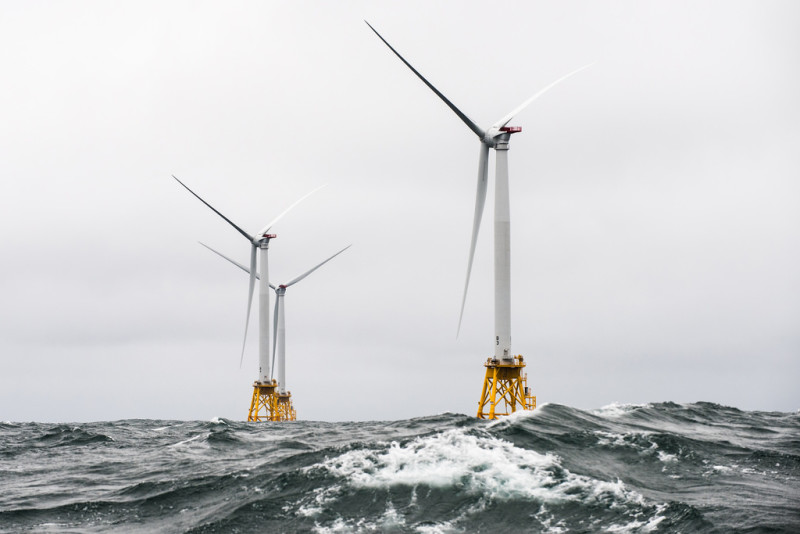
Founded as a Danish oil and gas company, Ørsted invested heavily in offshore wind power and was closely identified with the U.S. push to develop turbine installations over more than a decade. The company still owns the first Northeast pilot wind project, the five-turbine Block Island Wind turbine array off Rhode Island, opened in 2016.
But its future prospects were shattered this year with the second Trump administration’s campaign to destroy renewable energy projects.
Meanwhile the company’s other projects are still under relentless pressures that have affected all wind power ventures. Ørsted cut its portfolio target of 50 gigawatts of renewable energy capacity by 2030, to 35-38 GW and again to 27 GW this year.
The workforce reductions, from around 8,000 employees total to 6,000 head count, will come as attrition and redundancies as Ørsted wraps up major projects, CEO Rasmus Errboe said in an Oct. 9 statement.
“This is a necessary consequence of our decision to focus our business and the fact that we'll be finalizing our large construction portfolio in the coming years – which is why we'll need fewer employees,” said Errboe.
“At the same time, we want to create a more efficient and flexible organization and a more competitive Ørsted, ready to bid on new value-accretive offshore wind projects,” said Errboe. “We're building a more financially robust and competitive company with solid earnings, which will increase as we complete our projects.”
In late August Ørsted was hit with a stop-work order from the Trump administration on the company’s Revolution Wind project off southern New England, already 80% completed, as part of the administration’s ongoing efforts to kill already permitted projects.
Ørsted won a limited reprieve in federal court, with a temporary injunction lifting the stop-work order and allowing construction to resume. But Ørsted and other developers trying to keep their U.S. projects alive appear locked into a legal trench war with Trump’s executive branch agencies.
