


U .S. tugboat, towboat and barge operators participated in the American Waterways Operators’ Falls Overboard Safety Standdown Day on Aug. 28, pausing operations for brief crew discussions focused on preventing one of the industry’s leading causes of fatalities.
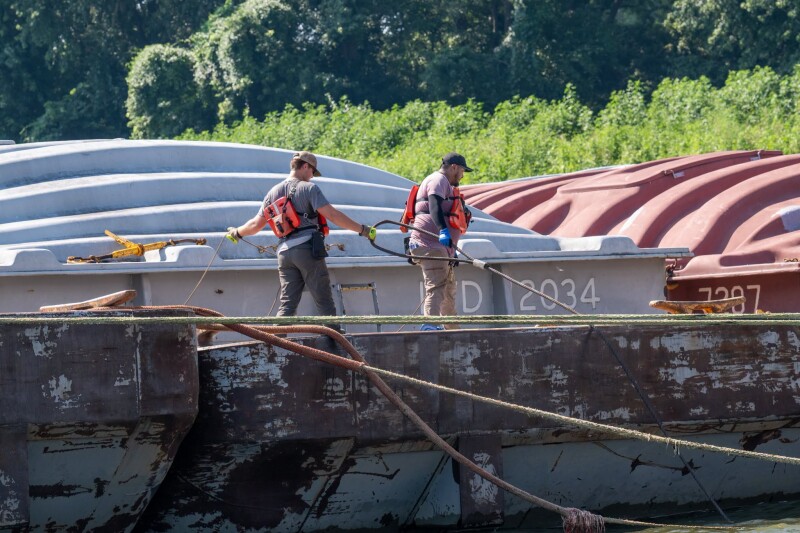
The nationwide standdown encouraged companies to review prevention procedures, reinforce safe deck behavior and discuss the use of buddy systems, fall restraints and personal protective equipment. Crews were also asked to identify high-risk locations aboard their vessels and barges and consider additional steps they could take to improve deck safety.
AWO said falls overboard remain the leading cause of mariner fatalities in the tugboat, towboat and barge industry. According to the association’s 2025 Falls Overboard Prevention Report, 118 incidents were reported between 2012 and 2024. Of those, 68% occurred on barges, 66% happened at night and deckhands were involved in more than half.
AWO also reported that 84% of the incidents involved slips, trips or a loss of balance at night or near an unguarded edge. The incidents involved both new and experienced crewmembers.
The association provided companies with a discussion sheet designed to guide 10- to 15-minute safety conversations. Suggested topics included identifying where falls are most likely to occur, evaluating existing PPE and fall-prevention systems, reviewing recent safety improvements and finding ways to make work near unguarded barge edges safer.
Several operators highlighted their own safety practices as part of the standdown.
Marquette Transportation Co. said tethering systems are now part of its mariners’ PPE when they work near an edge.
“Our number 1 job is making sure every mariner makes it home safely to their loved ones,” the company said. “We are proud to do our part in making this industry safer. Stay Dry, Stay Alive!”
Magnolia Fleet LLC said its approach to fall prevention incorporates training, communication, situational awareness and crewmembers watching out for one another.
“Every mariner deserves to make it home safely,” the company said.
Blessey Marine Services also emphasized its Goal Zero safety initiative, which is aimed at ensuring every employee returns home safely after each hitch.
“A fall overboard is one of the most serious risks a mariner faces,” the company said.
AWO urged operators to incorporate findings from its prevention report into their safety management systems and share lessons through industry safety committees and harbor safety groups.
