



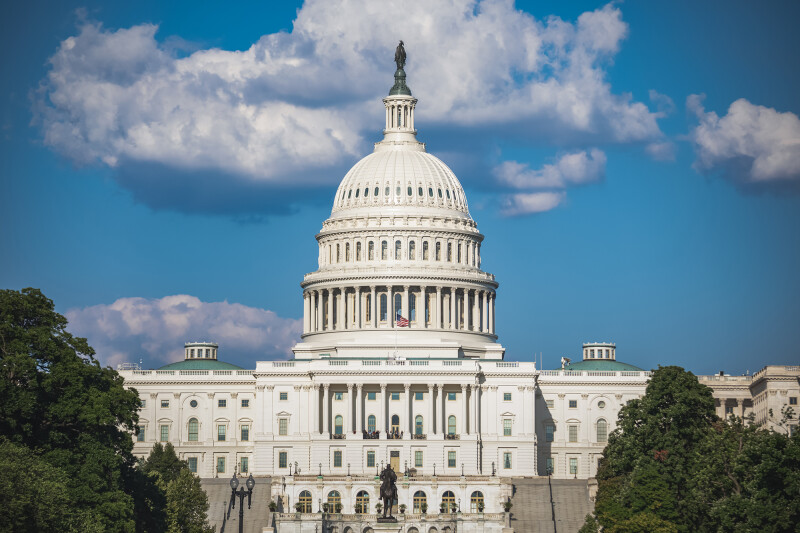
Earlier this spring, on the 100th day of the new administration, I was on Capitol Hill meeting with lawmakers and other officials to discuss the necessary support of the passenger vessel industry. I was joined by many of top leaders in the industry and members of the Passenger Vessel Association. Our goal was to ensure that Congress is fully aware of the ongoing need for federal support across the greater maritime industry.
In recent months, several reports have highlighted how the U.S. maritime industry lags behind China in terms of fleet size and new vessel construction. Nearly 90% of all global new ship construction projects are completed in Asia, including China (62%), South Korea (21%) and Japan (9%). The U.S. shipbuilding industry is currently producing only a limited number of merchant ships, while smaller shipyards are focused on building passenger vessels, cruise ships, and tugboats. Although these vessels serve different purposes, each plays a vital role in supporting the global economy.
Federal funding remains essential to revitalizing the U.S. maritime industry. Continued support from Congress is needed for vessels, shipyards, technological advancements, and both physical security and cybersecurity efforts.
The Shipbuilding and Harbor Infrastructure for Prosperity and Security (SHIPS) for America Act, focused on American shipping, shipbuilding, and workforce development, continues to generate important discussion. However, other critical programs also need support, including federal grants for small shipyards, port security, cybersecurity, energy initiatives, and efforts to ensure the safe use of our domestic waterways. Just as important is fully funding the U.S. Coast Guard, which plays a key role in overseeing these waterways and safeguarding maritime operations tied to over $5 trillion in global commerce each year.
We all need to use our voices to advocate for the industry. A phone call, email, or visit to a policymaker’s office will always be welcomed. Remember, elected officials are especially attentive to constituents who live and vote in their districts.
