



Those of us with long careers in the maritime industry know that accidents often happen when we become too comfortable in our roles. It’s easy to fall into the trap of believing we have all the answers and have seen everything there is to see. In reality, we haven’t — and we must be the first to acknowledge that change is the only constant we can rely on, both in life and in our professional careers. Regular training and drills are essential for staying adaptable. They keep us sharp, informed, and engaged.
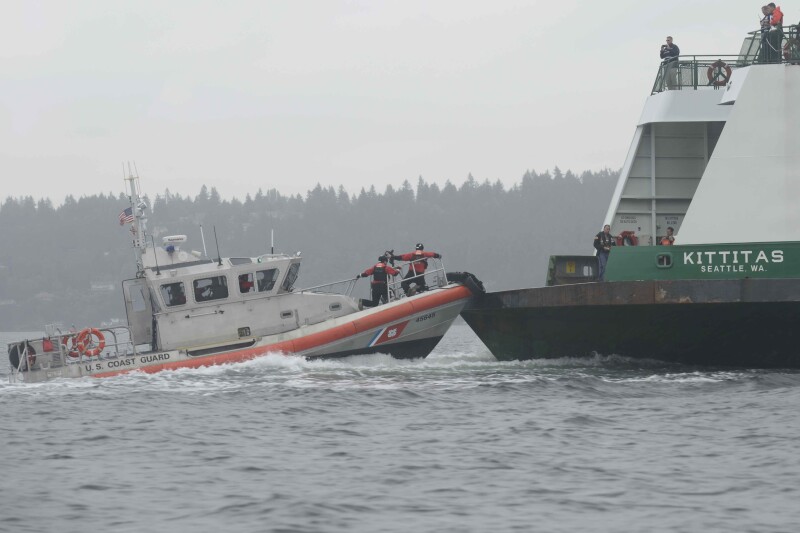
My company, BB Riverboats, recently took part in a series of important training drills aboard the Belle of Cincinnati, in coordination with federal, state, and local agencies. Participants included the Coast Guard, Department of Homeland Security, FBI, local police SWAT and K-9 teams, and local fire departments. The exercises included a man-overboard drill, an active-shooter drill, a bomb-detection exercise, and an attempted-vessel-takeover drill.
While this may sound like a lot to coordinate, the Coast Guard handled the logistics, allowing my crew to fully participate and gain valuable experience from the drills. The participating government agencies also benefited — not only by working together through realistic, scenario-based training, but also by becoming familiar with one another and with the deck plan of the Belle of Cincinnati. As a result, they are now better prepared to respond effectively in the future.
The goal of these drills is to ensure first responders and crew can work together to respond to emergencies quickly nd effectively. Although the drills are simulated, they feel very real, and everyone involved — from first responders to citizen actors to marine crew — has a critical role to play. This type of role-playing builds trust among participants and reveals gaps in procedures and practices that need improvement.
If you’re not already conducting regular drills with the Coast Guard and your local agencies, I strongly encourage you to start. The return on investment is significant: increased situational awareness among crew, faster emergency response times, improved on-site coordination, and most importantly, a higher overall standard of safety for both passengers and crew.
