Built for Speed and Safety: How Orca3D Marine CFD Helped Shape a High-Performance Law Enforcement Boat
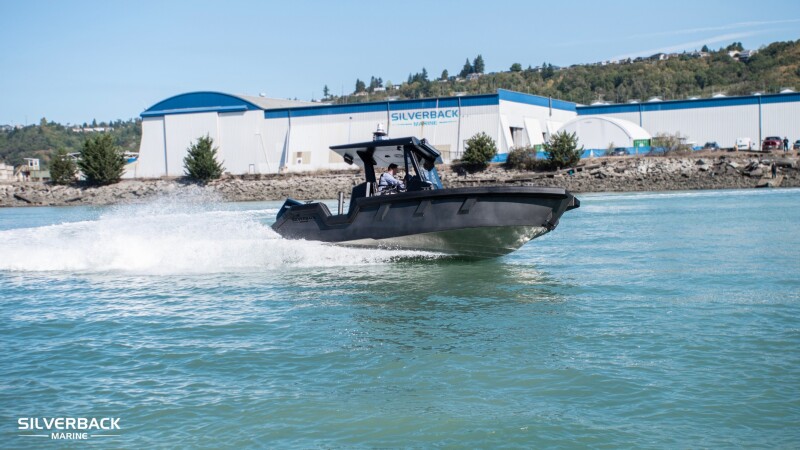
A patrol boat shaped by the mission
The Silverback Grizzly 21 LE began with a practical question: what do marine law-enforcement officers actually need from a 21-foot patrol boat? Silverback Marine and Petestep started by talking with officers and captains about the shortcomings they encounter in conventional patrol craft. The recurring concerns were clear - rough rides that contribute to operator fatigue, limited ergonomics and shelter, difficult beach access, and the need for better storage and deck layouts for mission equipment.
Those conversations helped define the design brief for a 21-foot aluminum deep-V patrol boat for the New Mexico State Parks Rangers. The vessel was conceived for high-speed tactical response across rivers, lakes, bays and moderate offshore environments, while also improving crew comfort and day-to-day usability.
Petestep's approach to the running surface
At the center of the design is Petestep's patented Spray Deflector Technology. Rather than relying on solely conventional transverse steps, the hull uses angled deflectors that redirect spray water down and aft. Petestep developed the approach to reduce energy losses in the spray sheet, generate useful lift and forward force, and improve ride comfort and efficiency.
For the Grizzly 21 LE, the technology was paired with a 23-degree deep-V hull and outboard propulsion. Project materials cite reductions in impact G-forces of 30 to 50 percent and fuel-efficiency improvements of up to 35 percent compared with conventional monohulls, along with a drier ride. The design targets speeds above 60 mph - performance intended to support rapid-response law-enforcement missions.
Using Marine CFD before fabrication
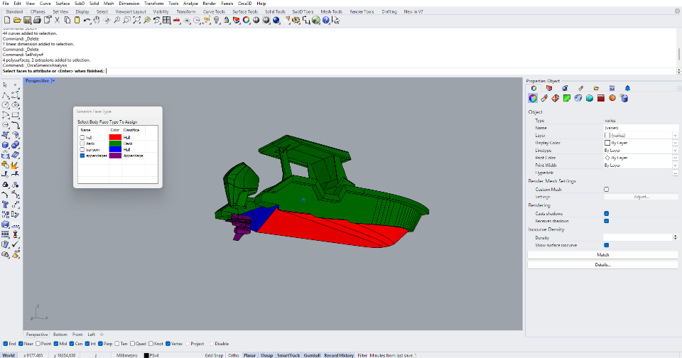
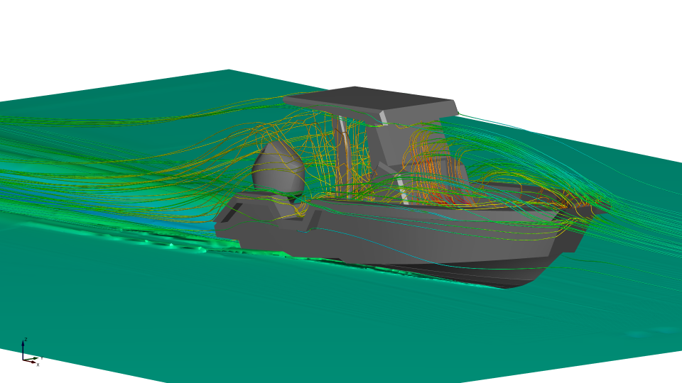
With an unconventional running surface and demanding mission requirements, simulation provided a way to evaluate the design before committing to fabrication. Petestep used Orca3D Marine CFD as part of its data-driven design workflow to study both hydrodynamic and aerodynamic behavior around the vessel.
The team used the software to visualize flow patterns and pressure distributions around the hull and superstructure; investigate turbulence and flow separation around areas such as the console, bow ramp and topsides; evaluate lift and drag across operating conditions; and compare design alternatives. Self-propelled simulations also allowed the team to account for propulsion performance rather than treating the hull only as a towed body.
Because Orca3D Marine CFD is integrated with the Rhino/Orca3D design environment, Petestep could iterate geometry, generate meshes and return to simulation without building a separate analysis workflow. That made CFD useful not only as a final verification step, but as an engineering tool during development.
“Orca3D CFD is an important tool in our data-driven approach to making boats ride better and more efficiently.”
— Jonas Danielson, CEO, Petestep AB
Turning analysis into design confidence
The simulations helped Petestep assess whether the design direction could support its goals for reduced slamming, ride quality, speed, efficiency and handling before the first cut of aluminum. For Silverback Marine, the project also represented its first adoption of a simulation-first, data-driven design workflow.
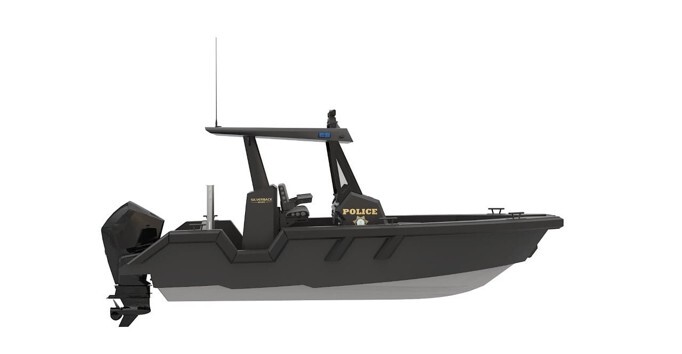
The resulting vessel combines the 21-foot aluminum deep-V hull with an 18-inch bow ramp for beach access, suspension seating for crew comfort, an enclosed operator shelter, mission-equipment storage, emergency lighting and siren systems, and perimeter fendering. The design was developed for operation across rivers, lakes, bays and modest offshore conditions.
The broader lesson extends beyond one patrol boat. When designers can bring CFD into the iterative design process, simulation can become a practical way to compare alternatives, quantify tradeoffs and build confidence in decisions before physical prototyping or production.
Explore Orca3D
Orca3D provides marine design and analysis tools inside Rhino for hull design and fairing, hydrostatics and stability, speed and power prediction, weight and cost tracking, advanced stability, and Marine CFD. For naval architects and boatbuilders who want to explore the workflow, Orca3D offers a free 15-day trial.
Learn more / free trial: www.Orca3D.com/workboat

Sponsored content that appears on WorkBoat.com allows our brand partners to provide readers with information on a variety of topics – from product launches and rebranding to critical issues affecting the industry, thought-leadership pieces, trends and more. Sponsored content reflects the opinion of the sponsoring brand partner and does not necessarily reflect the opinion of WorkBoat or its staff.