



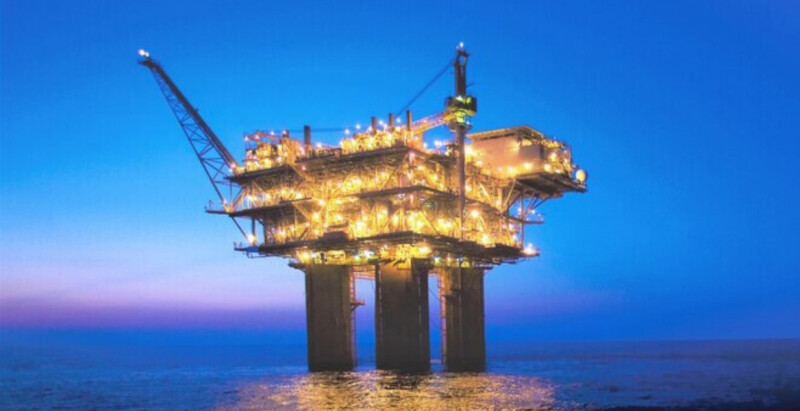
Subsea inspections for the Shenzi asset, located 120 miles off the coast of Louisiana, have entered a new phase as Woodside Energy Group Ltd., Perth, Australia, completed its first-ever remote inspection in the United States.
The initiative, launched in late May and currently ongoing, is among the first remote subsea inspections in the U.S. to be approved by the American Bureau of Shipping (ABS), Houston, according to Woodside. Previously, these inspections required full teams — inspectors, engineers, and support personnel — to be physically present aboard offshore vessels. The remote model significantly reduces human exposure to hazardous offshore environments, the company said.
"Whether we are inspecting equipment, monitoring well integrity, or performing maintenance, doing these tasks enhances safety, reliability and operational efficiency," said Charina Choochert, a principal integrity engineer at Woodside.
Woodside partnered with engineering services firm John Wood Group plc, Aberdeen, U.K., to implement the campaign, which includes the first remote Underwater Inspection In Lieu of Drydocking (UWILD) for its International Operations. The new approach enables real-time video review and data analysis, reducing turnaround times that previously spanned months.
“Whereas reports would take up to six months for analysis, we can now review live recordings, identify anomalies, and take action quickly,” said Charina. “It also means we can re-inspect in real time, and we don’t have to wait for the next inspection campaign. It’s just incredible that we can track findings on a day-to-day basis, and that to me is a huge win for innovation and efficiency.”
The shift to remote inspection has received support from regulators, including the ABS, which joined the remote operations center during the campaign.
“We’re really pleased that regulators like the American Bureau of Shipping have endorsed using remote inspections for large portions of the campaign,” said Robert Boothby, Woodside frontline engineering team lead. “This is one of the first approved remote inspections by the ABS in the U.S. and the first ever by Woodside in the U.S.
“It raises the game for operators in the Gulf, and Woodside is proud to be leading the way. The value of this initiative for Woodside is that we are leaning into our commitment to have world-class operations focused on safety, efficiency, and performance. And it’s just been incredible to see the advances that have been made over the past 20 years. The ability to review data sitting in an office over 300 miles from the inspection site is a testament to what’s possible for Woodside and the industry as a whole,” Boothby added.
Jim Siercks, woodside operations manager, said the remote inspection reduces risk “by removing people exposure, lowering inspection to remediation action cycle times, and improving inspection quality.”
Discovered in 2002, Shenzi is a conventional oil and gas field development through a tension leg platform (TLP) that achieved first oil and natural gas production in 2009. There are 19 producers flowing to the TLP and six water injection wells. In addition, two subsea wells are tied back to the non-operated Marco Polo platform. Shenzi North is a two-well subsea tieback to the Shenzi TLP, which achieved flowback in September 2023.
Crude oil produced from the field is transported to connecting pipelines for onward sale to Gulf Coast customers. Natural gas production is transported via a lateral pipeline that is tied into the Cleopatra natural gas pipeline for ultimate transmission onshore to the Neptune processing plant in St. Mary’s Parish, La.
Shenzi is operated by Woodside, which controls a 72% stake in the project. Its partner on the project, Repsol SA, Madrid, holds the remiaing 28%.
