



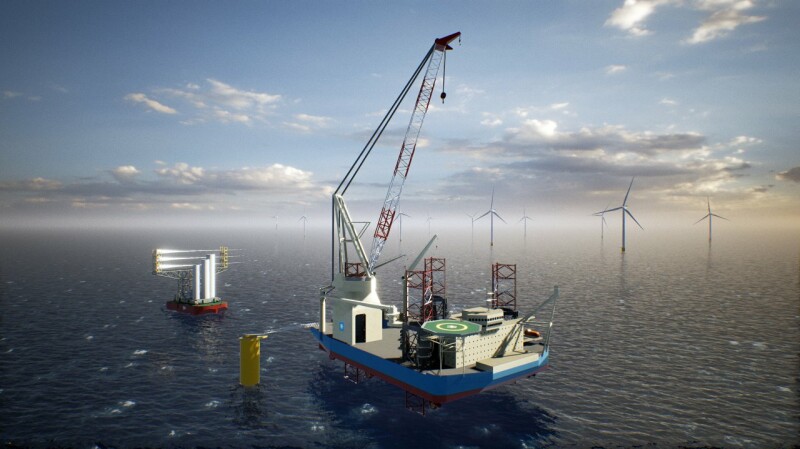
Maersk Offshore Wind seeks to terminate its contract for a $475 million wind turbine installation vessel that’s already nearly complete and intended for the Empire Wind 1 energy project off New York, Singapore-based shipbuilder Seatrium said.
Seatrium said it received a notice of termination Oct. 9 from Maersk. In an Oct. 10 announcement, Seatrium said “the project is approximately 98.9% completed” and that “it will explore viable solutions, including with the end-customer, Empire Offshore Wind LLC.”
Seatrium “is also evaluating its legal and commercial options in respect of the contract, including the right to contest the notice of termination, and/or to commence legal proceedings to seek all available remedies for wrongful termination,” the company said.
Empire Wind 1 developer Equinor was likewise weighing its options, Reuters reported.
“We have been informed by Maersk of an issue concerning its contract with Seatrium related to the wind turbine installation vessel originally contracted by Empire Offshore Wind LLC for use in 2026,” according to a company statement. “We are currently assessing the implications of this issue and evaluating available options.”
As conceived by Maersk, the Singapore-built WTIV would use new Jones Act-compliant tugs and barges built in the U.S. by Kirby Offshore Wind following the “feeder barge” model.
Wind power companies and industry advocates promoted feeder barges as the best path for their projects to get built, pending the arrival of newbuilt U.S. installation vessels. That work-around met stiff resistance from some offshore operators, but those arguments now appear to be history in light of the Trump administration’s drive to derail all offshore wind projects.
Maersk’s move to retreat is just the latest upheaval. After issuing a stop-work order on Empire Wind 1 in April 2025 the administration relented a month later after negotiations with Equinor and New York State officials.
But Equinor has since told investors it does not expect to proceed with the planned Empire Wind 2 future phase, with the administration’s intentions of reviewing prior offshore wind permits. That vanishing prospect led to cancellations of other planned construction.
