



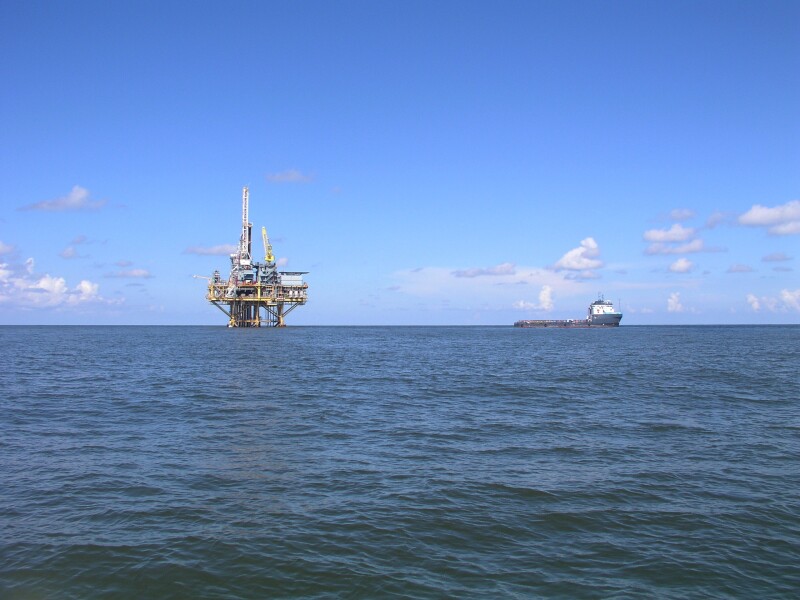
The offshore oil and gas industry has always marched to its own drummer, sometimes seemingly out of step with current industry trends. Why? The logistics of offshore leasing, exploration, and development require longer timelines than onshore projects. Some of this time difference reflects the more complex regulatory approval process for offshore projects, but project economics and equipment availability are also important factors.
Crude oil prices below $60 per barrel have industry executives scaling back spending plans as they weigh adjustments within their financial discipline protocols. The cultural change ushered in by the 2015 oil price crash has created a healthier industry characterized by tighter cost controls, restrained investments, reduced financial leverage, and higher capital returns to shareholders.
Weak oil prices are driven by geopolitical events, the strong push to electrify economies, and OPEC members seeking to boost their global market shares. Since spring, oil forecasters have predicted an oil glut during winter’s low-demand months — and, as a result, lower oil prices. The economic and geopolitical environments have led key economies to grow more slowly than anticipated, resulting in reduced energy consumption.
OPEC’s aggressive restoration of idled output, combined with continued growth in shale production, has boosted global supply. Swelling inventories are prompting forecasters to cut their price projections, with the U.S. Energy Information Administration now predicting an average price of $47.77 per barrel for 2026 — nearly 20% below current levels. Such a drop will upend exploration and production economics, sharply slow drilling and completion activity, and force more stringent cost-cutting measures. Oil companies are already responding with significant layoffs.
The offshore market has long represented the future for oil companies. Larger deposits dominate discovery records and industry expectations, meaning attractive per-barrel costs despite higher expenses for finding and developing fields. Facing the prospect of lower oil prices, explorers will be unwilling to pay more for rigs and vessels. Although this will hurt the near-term earnings growth of offshore service companies, the greater impact will be a continued dry spell in building new equipment.
Rising prices for new offshore equipment mean owners must secure higher day rates to justify investment. We have not found any U.S. orders for new offshore support vessels in 2025, except for specialty units serving the offshore wind industry. This is not surprising given executive comments from Tidewater Inc., Houston, on their last earnings call with financial analysts. They reported no new vessel orders this year and noted that vessels under construction represent approximately 3% of the existing fleet. The shortage of new vessels signals a tightening market as fleet retirements exceed new deliveries. Offshore operators will face higher day rates if they wish to operate modern equipment.
As the onshore oil industry contracts due to falling prices, deepwater barrels will become the least costly source of supply. A tightening balance between oil supply and demand will drive prices up. This time, the offshore industry may lead the oil patch’s recovery.
