



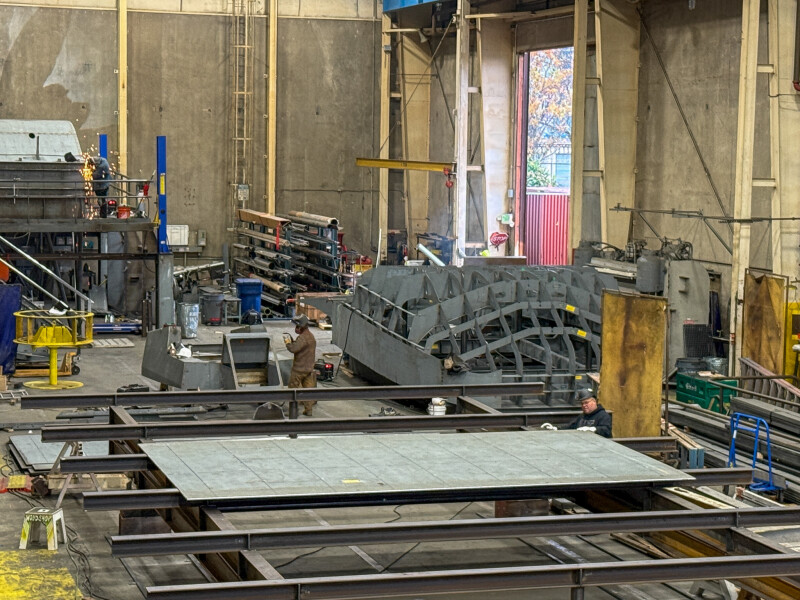
As maritime companies continue to struggle to fill job vacancies, a small, family-run shipyard in Seattle believes it has found a winning strategy.
Snow & Company Inc., which builds workboats, pilot boats, fishing vessels, and tugboats at its facility along the Lake Washington Ship Canal, has developed what it calls “hiring from non-traditional avenues,” which means diving deep into labor markets that have been traditionally ignored by the maritime industry.
In addition to targeting maritime trade schools, Snow taps veterans, ex-prisoners, or those starting work release, and in a more innovative approach, immigrants and refugees, many of whom do not speak English when hired.
Tuuli Snow, talent acquisition and engagement manger at Snow, spoke about the innovations at an Oct. 28 hearing before the Senate Commerce Committee’s Coast Guard, Maritime and Fisheries subcommittee that focused on the revitalization of U.S. shipbuilding.
Congress is currently considering the SHIPS for America Act, a bill to revitalize the shipbuilding industry, as well as a commitment by the Trump administration to revive the nation’s flagging maritime sector to counter China’s dominance over the oceans.
Snow said her company’s strategy has helped the shipbuilder grow from 30 employees five years ago to just over 100 today, and a key is tapping into “a more diverse ecosystem” that is “more sustainable, more creative, and more effective.
“A great barrier to entering the maritime community is exposure,” she said. “People are unaware of what is out there. Many believe that you have to go to sea in order to get a maritime job, because they don’t know any other aspects of this industry. They don’t realize you could be a project manager, or a naval architect, an electrical engineer, or even a nurse. People don’t see the same opportunities and career pathways as other industries. I enter communities, neighborhoods, and towns in Washington to share the great opportunity in this industry and hopefully encourage people to enter it.”
Snow told senators about what she calls an “hourglass” employment gap occurring in the maritime trades, with hundreds of maritime experts ready to retire and a new workforce coming onboard with skills learned from trade schools and traditional apprenticeships, but too few workers in mid-level positions.
To close the gap, she suggests recruiting young people into the industry and supporting trade schools for their education, while also investing in working adults.
One way to tackle this is to tap into immigrant and refugee populations that have arrived in America with skills important to the industry and are available to work, but often do not speak English fluently.
“There is a common misconception that you must speak English to have an impactful job in the United States, which I have repeatedly proved to be inaccurate.”
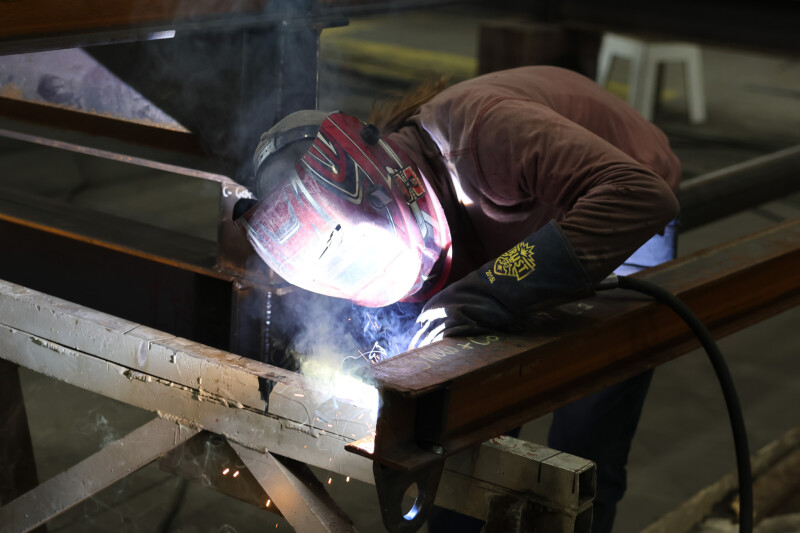
She told the story of a Ukrainian refugee who reached out to her two years ago wanting to apply for a welding job but spoke little English. He performed impressively in the company’s welding test, passed a background check, and started immediately.
“That individual now leads a team of Ukrainian and Russian refugee fabricators and welders. He is one of our highest paid production employees, proving to us you don’t need to speak English to work hard with exceptional results,” Snow said. “In a time when we have immediate access to technology that can translate quickly and efficiently, taking a chance on skilled non-English speakers seems like an obvious opportunity.”
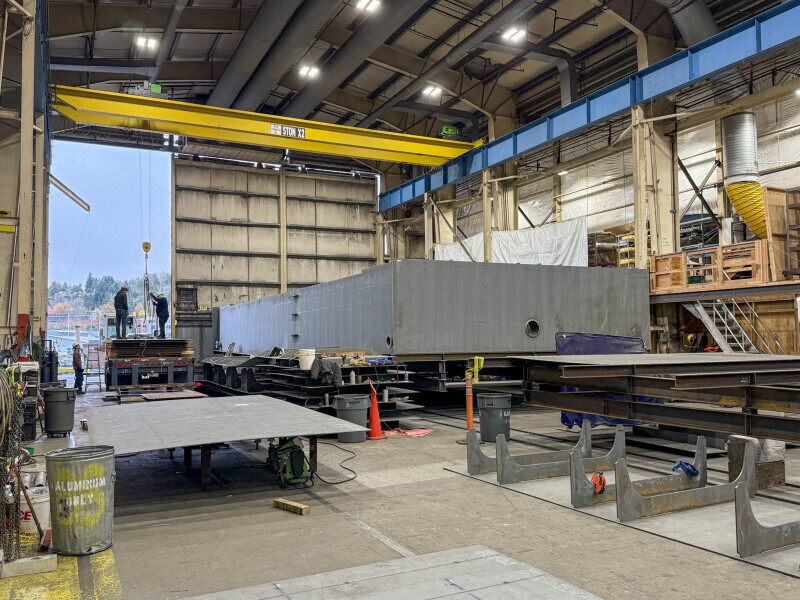
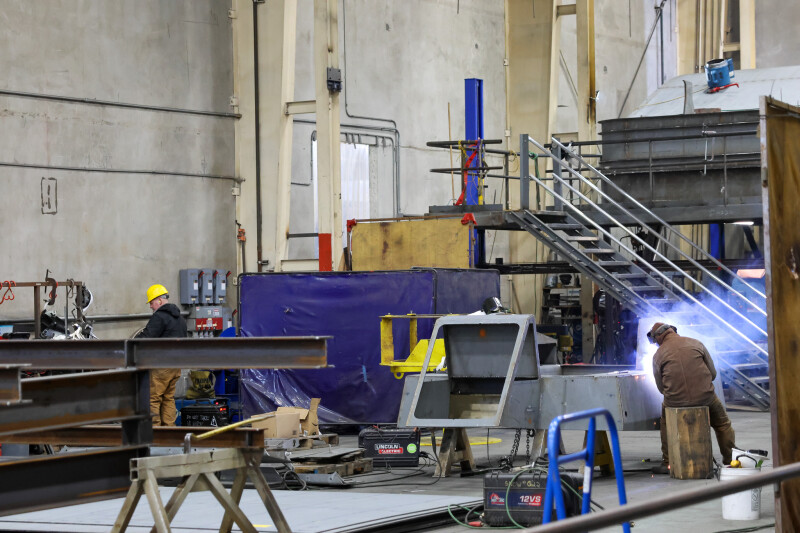
To attract and keep their employees, Snow and Company also provides 100% employer-paid insurance, with 80% for dependents. “Most businesses can’t or won’t do this, but we see it as a necessity to build a strong team,” she said. “We feel this cost is made up for and reflected in the high-quality products we produce.”
In crafting a new national policy to revitalize the shipbuilding sector, Snow told the committee that it’s important to remember the contributions that small shipyards make to the nation’s maritime industry.
She encouraged federal investment in industrial lands to protect small shipbuilding businesses, in federal small shipyard grants, and in training programs for youth, adults, and marginalized communities that are looking to learn new skills that will “breathe new life, creativity and innovation into this industry.”
