



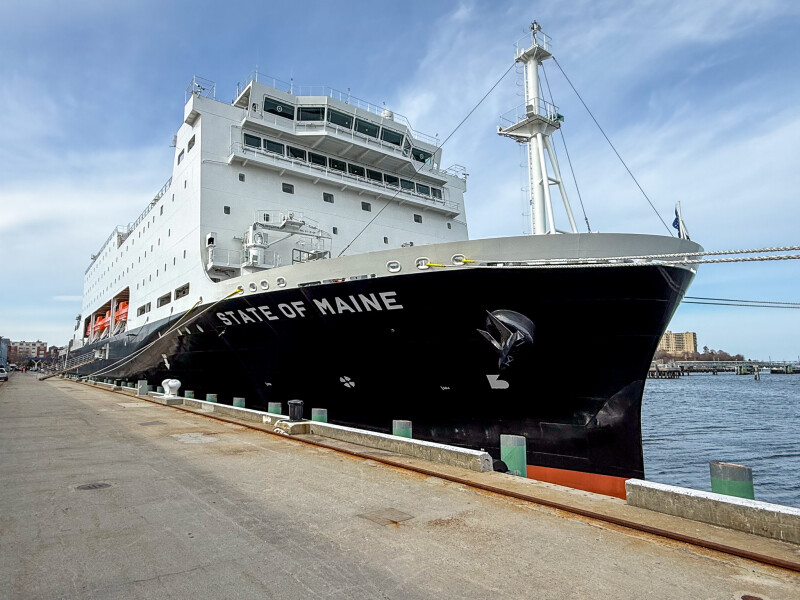
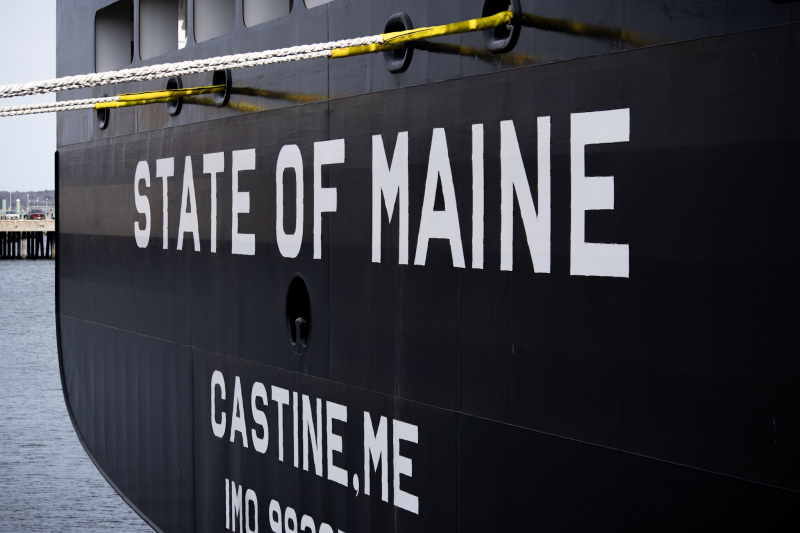
The National Security Multi-Mission Vessel (NSMV) State of Maine was formally delivered to Maine Maritime Academy on March 30, transferring operations from the U.S. Maritime Administration (Marad) to the academy.
The vessel arrived earlier in the month, reaching the Port of Portland on March 21, where it was welcomed with a water salute. A formal delivery ceremony was later held at Ocean Gateway in Portland with representatives from federal and state government, maritime agencies, and industry in attendance.
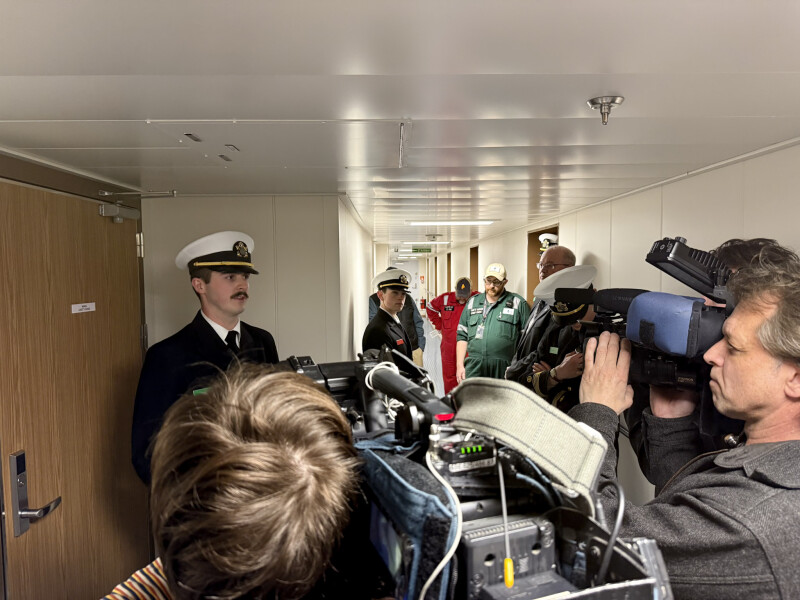
Padric McGrath, former regimental training officer, now 1st class midship senior, provided WorkBoat with a tour of the vessel.
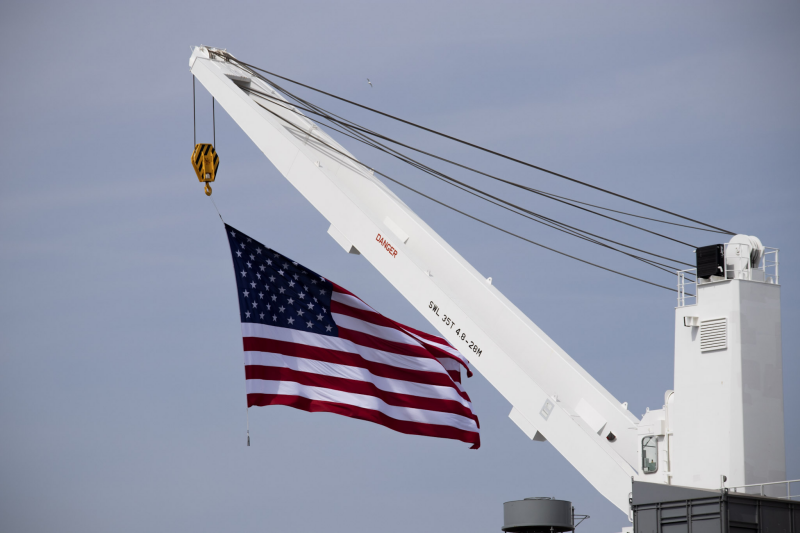
The State of Maine is the third of five NSMVs being built to replace aging training ships at U.S. maritime academies. The vessels are designed to support cadet training while also serving as federal response vessels during humanitarian crises and disaster relief operations.
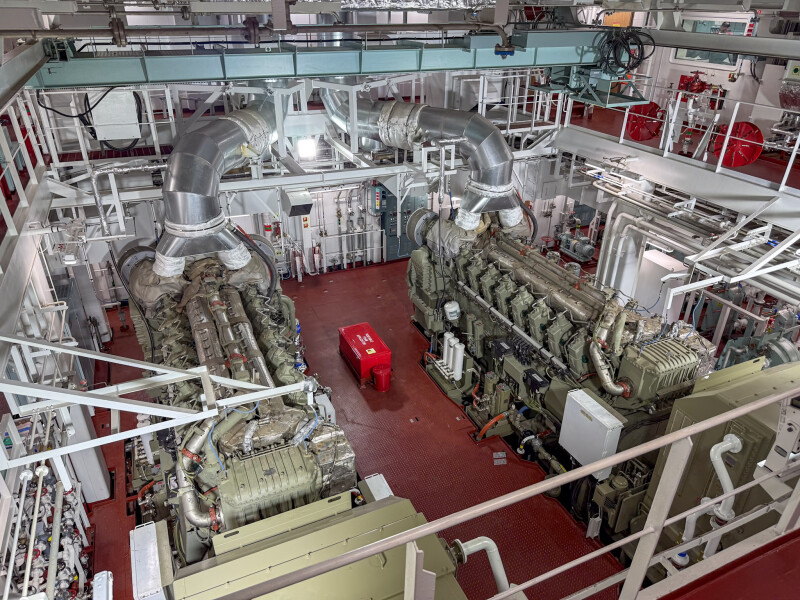
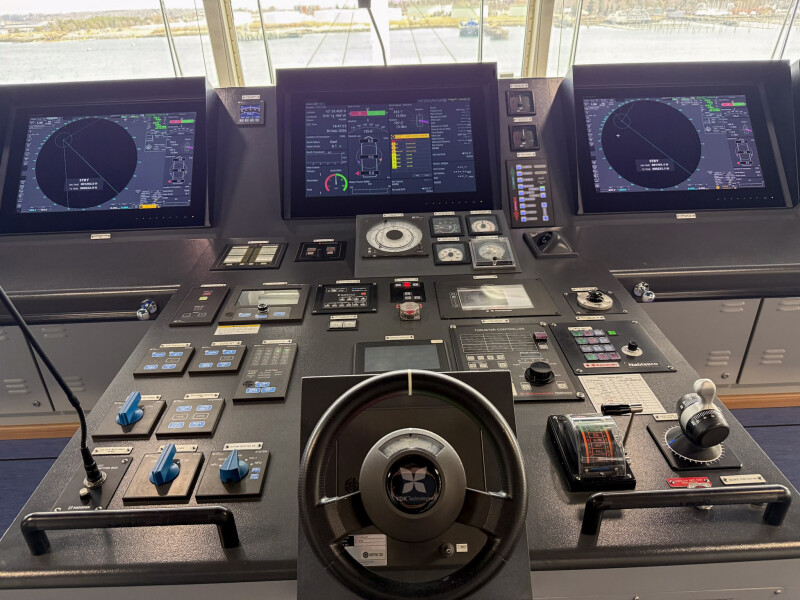
At Maine Maritime Academy, the vessel will serve as the school’s next-generation training ship and is the academy’s first purpose-built training vessel. The ship is equipped with two full mission bridges and two engine rooms, allowing for expanded hands-on instruction for cadets. It is also the largest and most complex vessel operated by the academy.
The NSMV program is led by Marad, with vessels constructed by Hanwha Philly Shipyard. TOTE Services serves as the vessel construction manager for the program.
U.S. Sen. Susan Collins, who served as the ship’s sponsor, delivered remarks during the ceremony marking the official transfer of the vessel to the academy. Collins noted that federal funding for the vessel was secured through congressional appropriations beginning in 2019.
“This new ship will help provide rigorous instruction and crucial maritime training for MMA students for decades to come,” said Sen. Collins. “I am proud to serve with former Transportation Secretary Elaine Chao as co-sponsor and as godmother of the new State of Maine. We have arrived at this glorious day after a long voyage that was not without its treacherous shoals. In 2019, as Chair of the Transportation Appropriations Subcommittee, I worked hard to secure $300 million for this ship. Brokering the agreement between the House and the Senate for that appropriations bill was a challenging task that required months of negotiation and advocacy.”
The approximately $330 million vessel will be used for cadet training while also supporting federal humanitarian and emergency response missions when needed.
