



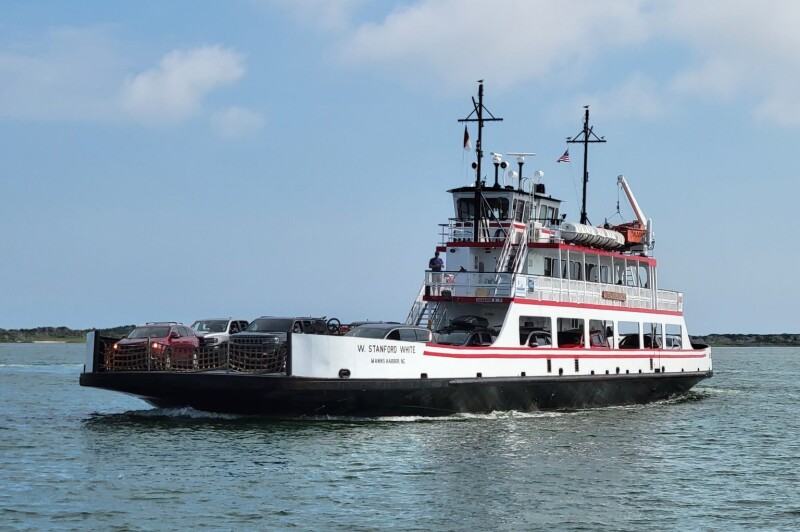
North Carolina lawmakers have approved $7 million in new funding to sustain the state’s ferry system, ensuring continued operations and maintenance for vessels serving coastal communities that rely heavily on marine transportation.
The allocation includes $3 million for statewide ferry operations and $4 million for shipyard maintenance, with specific work planned for the Sea Level, a vessel that serves the mainland to Ocracoke routes. The new funding prevents previously proposed service reductions, preserving access for residents, workers, and visitors who depend on ferry connections across the state’s coastal waterways.
North Carolina’s ferry network, operated by the N.C. Department of Transportation’s Ferry Division, is the second largest state-run system in the United States, providing vital transportation links for residents, commuters, and visitors to barrier islands and mainland communities.
“This is a major win for Ocracoke and every ferry-served community in North Carolina,” said Justin LeBlanc, executive director of the Ocracoke Access Alliance (OAA). “We deeply appreciate the General Assembly’s commitment to the Ferry Division and to the coastal residents and visitors who depend on this essential service. This funding ensures the Sea Level will return to service next spring and that vital ferry routes will continue to operate at full strength.”
The Alliance credited legislative leaders including House Speaker Destin Hall, Senate President Phil Berger, Representatives Keith Kidwell, Edward Goodwin, and John Torbett, and Senators Bobby Hanig and Norman Sanderson for their leadership in securing the funds. Local officials in Hyde County, including County Manager Kris Cahoon Noble and County Commissioner Randal Mathews, were also recognized for coordinating the effort to sustain ferry service.
With the Sea Level expected to return to service in the spring, OAA noted the funding marks a significant step toward strengthening long-term ferry reliability and ensuring the continued role of marine infrastructure in supporting North Carolina’s coastal economy.
