


For workboat operators, maintaining situational awareness starts with sightlines. Many factors govern what they see, and most aren’t within their control. In fact, vessel operators may have had little or no influence in the layout of their boat. Design matters and shouldn’t occur in a vacuum that excludes end-users.
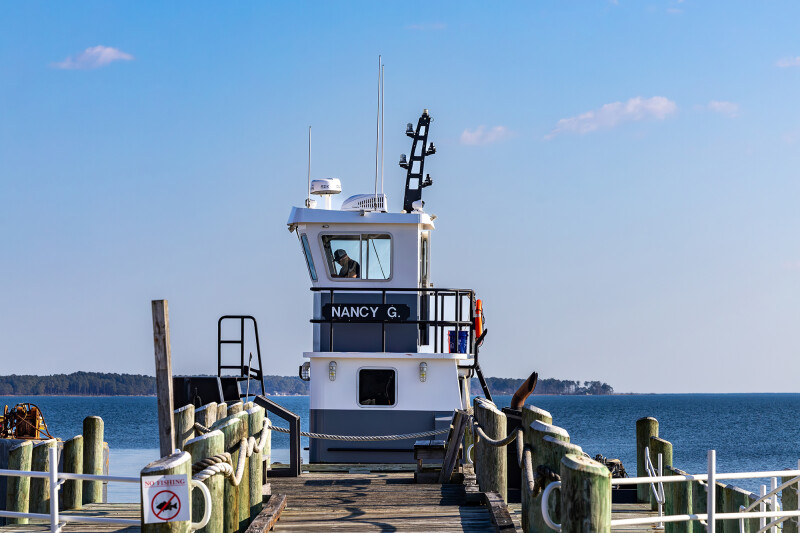
The design, equipment specifications, and layout of operating stations on a vessel are critically important, but they are compromised when there’s a lack of meaningful input from the people who will work the vessel. The importance of unobstructed views in critical directions may seem obvious, but it’s often neglected. Window type, size, number, placement, and angle have a lot to do with what is visible from within the wheelhouse. Is that not the foundation from which it all starts? Beyond the basic characteristics of windows, there are at least two more items of high importance: window tinting (often excessive, as with cars) and de-fogging/defrosting capabilities.
A fishbowl of glass is significantly degraded when it’s dripping with condensation or covered in hard frost. Add in unnecessary permanent tinting (the darker it is, the worse it will be in low-light conditions) and some grime, and vessel operators will find themselves deprived of important information about their surroundings. Flat, perpendicular glass throws distracting reflections from interior and exterior light sources. And reflected aids-to-navigation or running lights can be dangerously misleading: a helmsman may be steering on a buoy light marking a channel or hazard, not realizing it’s the reflection of one already passed.
And how accessible is the glass? If it isn’t easily and safely accessible, it’s less likely to be cleaned regularly.
Again, all these details matter because they affect risk.
