



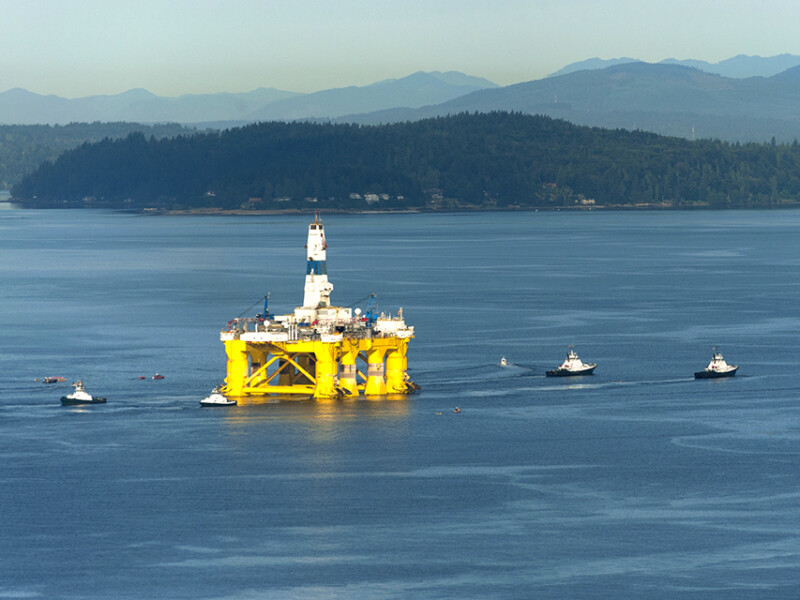
The Department of the Interior is rolling out a long-term schedule for offshore oil and gas lease sales in the U.S. Gulf and Alaska’s Cook Inlet, as directed by the One Big Beautiful Bill Act (H.R. 1). By committing to a predictable sale schedule, the department is delivering on President Trump’s promise to expand American energy production and strengthen U.S. energy independence, an Interior Department statement said.
“The One Big Beautiful Bill Act is a landmark step toward unleashing America’s energy potential,” said Interior Secretary Doug Burgum. “Under President Trump’s leadership, we’re putting in place a bold, long-term program that strengthens American Energy Dominance, creates good-paying jobs and ensures we continue to responsibly develop our offshore resources.”
The inclusion of at least 30 lease sales in the U.S. Gulf underscores the region’s indispensable role in America’s energy ecosystem, accounting for roughly 14%–15% of U.S. crude oil production and serving as the linchpin of offshore energy output. These scheduled sales offer the oil and gas sector much-needed clarity and stability, encouraging continued investment in deepwater infrastructure, which is foundational to national energy resilience. The Gulf supports hundreds of thousands of jobs, contributes tens of billions to GDP annually and generates substantial federal and state revenues. The economic and energy-security gains from these sales are both immediate and long-lasting.

Alaska plays a vital role in America’s energy future, and Cook Inlet, along Alaska’s south-central coast near Anchorage, is at the center of that opportunity. By including six lease sales in Cook Inlet through 2032, the plan ensures Alaskans benefit from new jobs, stronger local economies and long-term investment in their communities, according to the statement.
Alaska’s unique position as both a strategic energy hub and a gateway to the Arctic makes it essential to U.S. energy security. Responsible development in Cook Inlet will help reduce reliance on foreign imports while supporting the state’s decades-long tradition of powering America with reliable, homegrown energy, the statement said.
