



When it comes to the operation of commercial vessels, attention tends to focus on the bridge. Many decks below, machinery spaces are often “out of sight and out of mind” — unless something goes wrong.
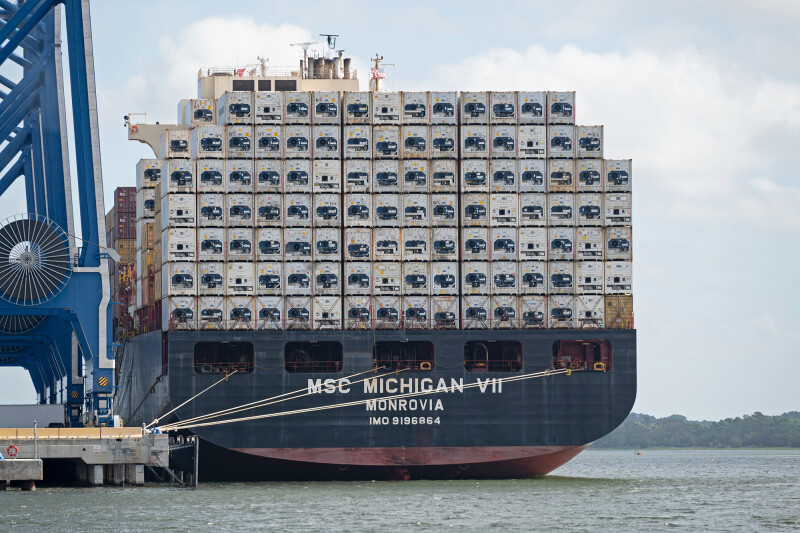
Unfortunately, a runaway engine aboard the 25-year-old containership MSC Michigan VII on June 5, 2024, brought attention to the engine room for all the wrong reasons. The incident also resulted in the criminal prosecution of the chief engineer by the U.S. Attorney’s Office.
The engine overspeed occurred around noon on the Cooper River, shortly after the 74,583-ton containership departed the North Charleston Terminal in South Carolina. The bridge team realized the vessel was not responding to throttle commands. Fortunately, they regained control after the ship reached a speed of about 16 knots. The resulting wake damaged recreational vessels and injured two people.
This was not a spontaneous incident. The ship’s machinery spaces had presented the chief engineer with a host of issues when he first came aboard. There were air compressor problems. The ship’s generators struggled to maintain a 75% power load (bad news for the bowthrusters). But the fundamental issue was with the main engine governor. The crew had made manual adjustments to a linkage between the governor’s electronic mechanism and the fuel rack, adjustments that should only have been made by trained technicians.
Prosecutors argued that the chief engineer knew the dangers of this makeshift practice of controlling engine speed by altering the linkage rod’s length. In a plea deal, the chief pleaded guilty to failing to report a hazardous condition and to obstructing an investigation.
I agree that the conduct here was wrong. But I believe there is more to consider, and I am saddened to see commercial mariners placed in handcuffs for errors in seamanship or judgment.
The chief joined the vessel in April 2024 and was given about five hours to complete a turnover with the outgoing chief. That is not much time for such a complex plant. Commercial mariners tend to be a very intelligent group who usually operate “by the book.” But I also believe crews often find themselves under pressure to “keep this crate running.”
