



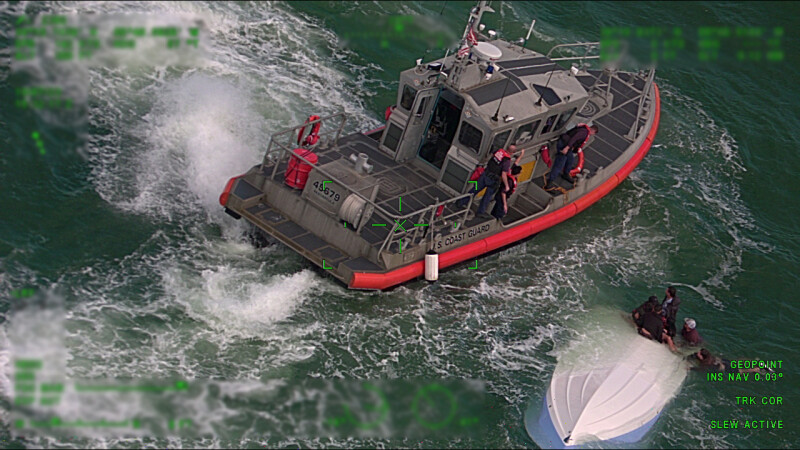
The U.S. Coast Guard announced Tuesday it will return its station in Pascagoula, Miss., to full response operations.
The change will take place in conjunction with assignment year 2026, when the station will move from scheduled mission operations back to full response status.
“After temporarily reducing capabilities at Station Pascagoula in 2023 due to severe workforce shortages, I am pleased to announce the Coast Guard will fully restore the unit’s operational capabilities and readiness in 2026,” said Adm. Kevin E. Lunday, who was confirmed as commandant on Dec. 18. “Our strong recruiting performance has made this possible. Station Pascagoula is vital to securing our southern maritime border and supporting the Port of Pascagoula's $18 billion economic impact. This action directly supports our nation's security and economic prosperity."
According to the Coast Guard, restoring full response operations at Station Pascagoula aligns with a national strategy to achieve operational control of the border and facilitate commerce. The Gulf Coast station supports efforts to deter and interdict illegal migration and illicit trafficking while also securing the Port of Pascagoula against physical and cyber threats.
The Coast Guard said the station’s readiness enables it to respond to emergencies and contingencies with little warning, including search and rescue missions and natural disasters.
Rep. Mike Ezell, R.-Miss., Chairman of the Coast Guard and Maritime Transportation Subcommittee, praised the station's return to full operations.
“This is outstanding news for South Mississippi," Ezell said. “Coast Guard Station Pascagoula plays a critical role in protecting our maritime border, supporting search and rescue missions, and safeguarding the Port of Pascagoula. I’m grateful to see the Coast Guard fully restoring these operations and ensuring our Coast Guard men and women have the staffing they need to do their jobs... Restoring full operations at Station Pascagoula improves safety for our mariners, strengthens national security, and protects one of Mississippi’s most important economic engines.”
