



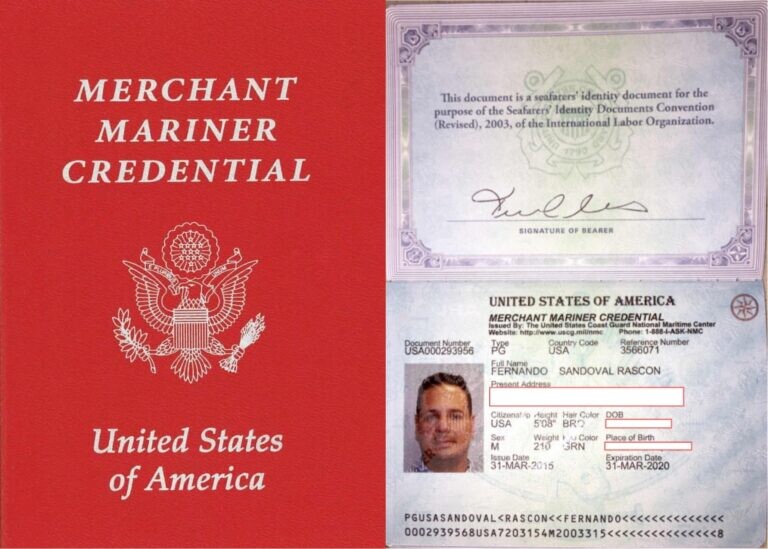
The U.S. Coast Guard has awarded a blanket purchase agreement to Stealth Solutions Inc., Sterling, Va., to overhaul its Mariner Credentialing Program (MCP) information technology system. A Coast Guard press release said the move is intended to streamline the credentialing process and strengthen the maritime workforce.
The agreement, signed on Sept. 12 and announced on Sept. 16, has a potential value of $49.6 million over five years. It includes efforts to update and automate the issuance of merchant mariner credentials and related requirements. The National Maritime Center processed nearly 75,000 credential requests and 66,000 medical certificate applications in 2024.
As part of the award, the Coast Guard issued a $3.8 million order to develop the first release of NAVITA, a new system designed to replace the current manual process. The platform will allow mariners to submit applications online, maintain profiles, and access self-service tools to speed up credential delivery, the Coast Guard said.
“The Navita™ system represents a transformative leap forward in supporting America’s maritime industry, providing our merchant mariners—who are vital to our nation’s economy and security—with a streamlined process to receive their credentials with speed and focus,” said Rear Adm. Wayne Arguin, assistant commandant for prevention policy. “By improving our service delivery, we are advancing the effort to Restore American Maritime Dominance and supporting the flow of commerce vital to economic prosperity and strategic mobility through our Marine Transportation System.”
The MCP is central to vetting mariners and preventing criminal access to ports, waterways, and other critical infrastructure. Coast Guard officials said modernization of the program aligns with Force Design 2028, which seeks to apply advanced technology to improve service delivery and ensure the service remains agile and responsive.
The Coast Guard press release said the funding for the modernization effort is supported in part by the One Big Beautiful Bill Act, which provided new resources for workforce and infrastructure improvements.
