



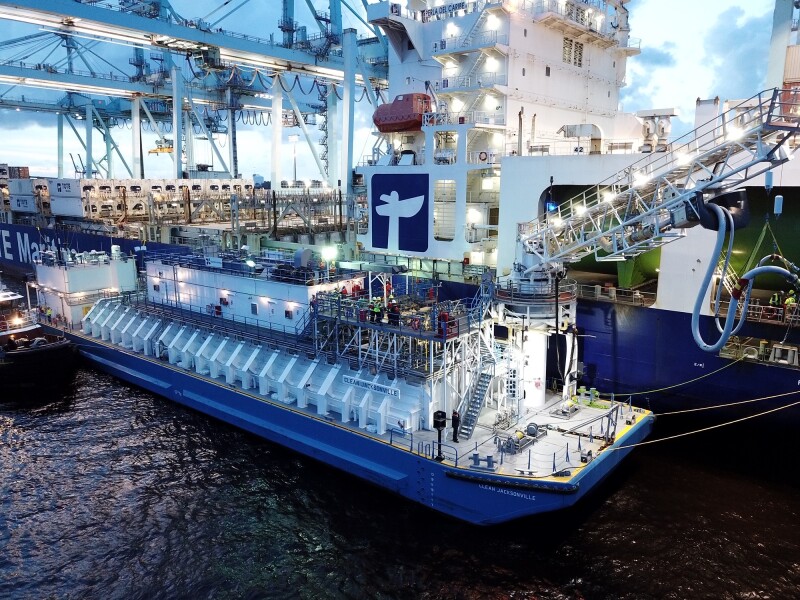
The clean energy marketplace continues to grow and thrive. Owners and operators, both private and publicly funded, have an expanding menu of options to choose from. However, one critical area still needs greater attention to ensure these options can deliver immediate impact: infrastructure.
Over the last few years, those of us in the maritime industry have seen a wave of cleaner alternative energy options enter the market to power our fleets. We’ve seen advances in fully electric and diesel-electric technologies, along with clean fuel sources such as hydrogen and ammonia. Reusable fuels and biodiesels continue to emerge as viable alternatives as well. This growing list includes both existing solutions and whatever becomes “the next big thing” in reducing fleet emissions and carbon footprints.
When we look at how hybrid and fully electric vehicles have disrupted the automotive industry over the last decade, we can easily see the everyday changes that support their use. Electric charging stations now appear in places where they once didn’t exist, from neighborhood supermarkets and shopping centers to schools, commercial buildings, and homes. Today, there are dedicated spots for drivers who need a timely charge. In the maritime industry, this level of infrastructure is not yet commonplace. While some marinas, yards, and docking facilities are equipped with shore power, many do not offer the fast-charging capabilities required by hybrid and fully electric vessels. Operations using these energy sources need expanded charging infrastructure to fully leverage their benefits, and that requires significantly more power than is currently available at many locations.
Clean fuel sources face challenges as well. They require more robust delivery systems to reach vessel fleets, along with increased storage capacity and a broader vendor network. Transportation costs, storage costs, and limited suppliers all present hurdles that must be addressed to normalize these options. In many ways, this echoes the old “Field of Dreams” mantra: “If you build it, they will come.” The technology to introduce these cleaner systems into today’s marine environment already exists. The ongoing challenge is how to maximize their potential when infrastructure and support systems are still not fully prepared for the shift.
For those committed to making these alternatives a routine part of daily maritime operations, the hope is that more ambassadors of change — both private and public — will step forward. Financial commitment to the infrastructure projects needed to support clean energy will be essential to turning these solutions into the new normal.
