Two weeks after super typhoon Sinlaku lashed the Northern Marina Islands with 175 mph winds, the U.S. Coast Guard shifted its response Monday to environmental recovery and marine safety.
The Port of Guam is fully open and other island ports are cleared for daylight operations, according to a summary from Coast Guard officials.
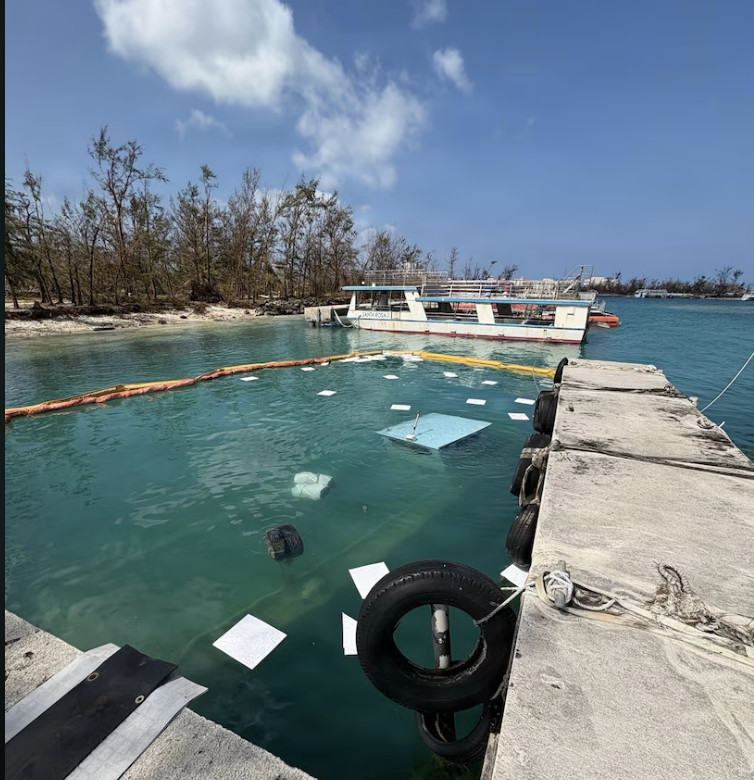
"With commerce moving again, our attention turns to the waterways themselves," said Capt. Nicholas Worst. "We have additional crews in Saipan this week conducting pollution assessment and response operations, and the majority of vessel owners and operators are doing the right thing — taking responsibility for their affected vessels. That cooperation makes a real difference for our communities and our environment.”
At Saipan, the Captain of the Port set Port Heavy Weather Condition Whiskey at 1:30 p.m. local time Saturday, removing federal restrictions on commercial vessel traffic. The ports of Tinian and Rota remain in modified Whiskey, with vessel traffic restricted to daylight hours as pier repairs and aids to navigation restoration continue. I
Portable lighting equipment was being tested to support limited nighttime operations at Saipan’s port pending permanent solutions. All operations and port access in the Commonwealth of the Northern Mariana Island still need to be coordinated with the Commonwealth Ports Authority.
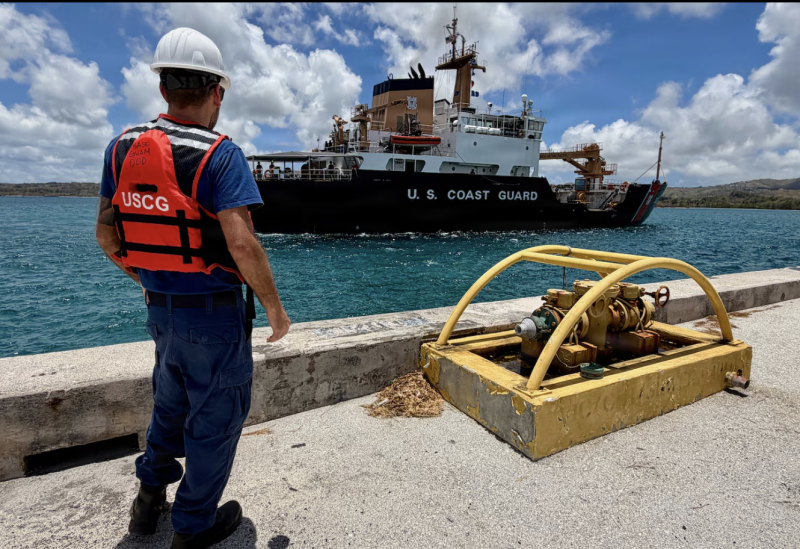
Crews aboard the Coast Guard buoy tender Hickory took a break last weekend “following an intensive operational period and will resume aids to navigation restoration work on Tuesday across Guam, Saipan, Tinian, and Rota,” according to the summary. The Coast Guard’s priority list includes fixing 12 aids to navigation in coming days, from fixing lights and partial day boards to replacing buoys.
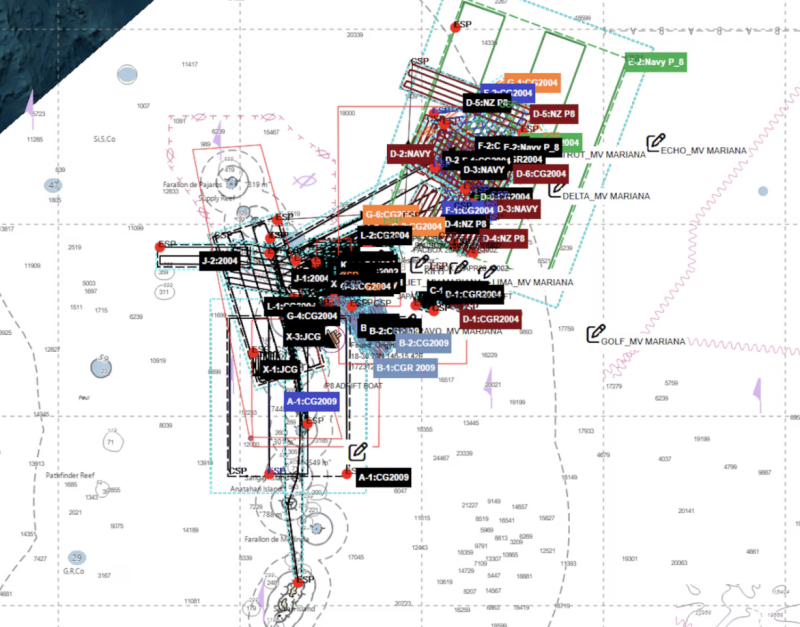
While recovery work continues on the islands, at sea Coast Guard cutters and air crews, joined by Navy and Air Force aviators and air units from Japan and New Zealand were still searching for five missing crew from the capsized cargo vessel Mariana.
The search is coordinated by the Joint Rescue Coordination Center Honolulu. As of Sunday, “search crews conducted more than 85 hours of operations covering more than 127,900 square nautical miles, an area roughly the size of California,” fanning across other Northern Marianas islands, the Coast Guard said.