Interior Secretary Doug Burgum said Feb. 11 the Trump administration will appeal five federal district court rulings against the administration’s attempt to shut down wind energy projects underway off the East Coast.
“Absolutely we are,” Burgum told Bloomberg Television. “There will be further discussion on this.”
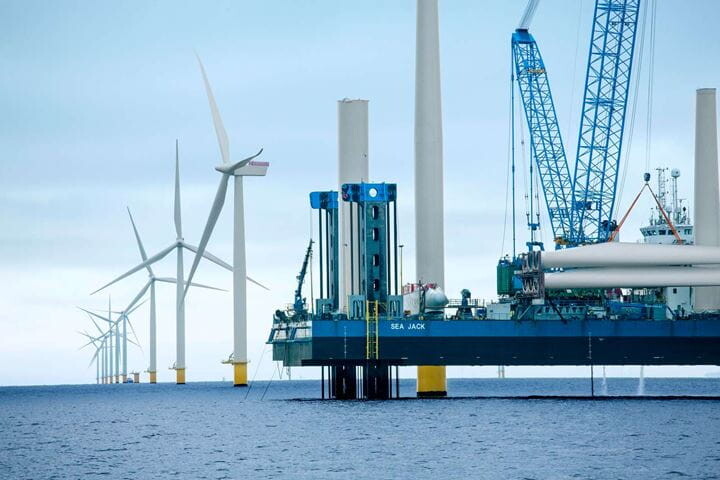
Judges have allowed work to resume on projects off southern New England, New York and Virginia that the administration sought to derail with a blanket stop-work order Dec. 22.
In the order Interior cited new, classified information it contends shows the construction and operation of turbine arrays pose risks to national security. But the courts have viewed that claim skeptically.
“Purportedly new classified information does not constitute a sufficient explanation for the bureau’s decision to entirely stop work on the Sunrise Wind project,” U.S. District Court Judge Royce Lambeth said Feb. 2 in Washington, D.C., as he granted a temporary injunction for work to continue on the project east of Montauk, N.Y.
Ite was the fifth setback for the Trump administration’s campaign against wind power, since coming into office Jan. 20, 2025.
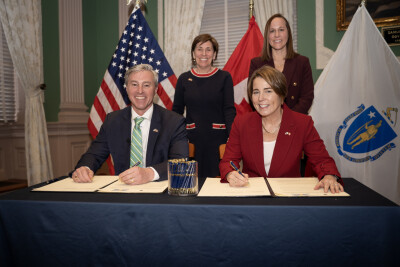
Meanwhile, one week earlier Nova Scotia Premier Tim Houston and Massachusetts Gov. Maura Healey signed a Feb.4 agreement to work with Nova Scotia to potentially supplying the state with energy from offshore wind.
“New England, like many markets, anticipates growing energy needs that could be met in part by Nova Scotia’s budding offshore wind industry,” Nova Scotia officials said in announcing a memorandum of agreement between the provincial and state governments.
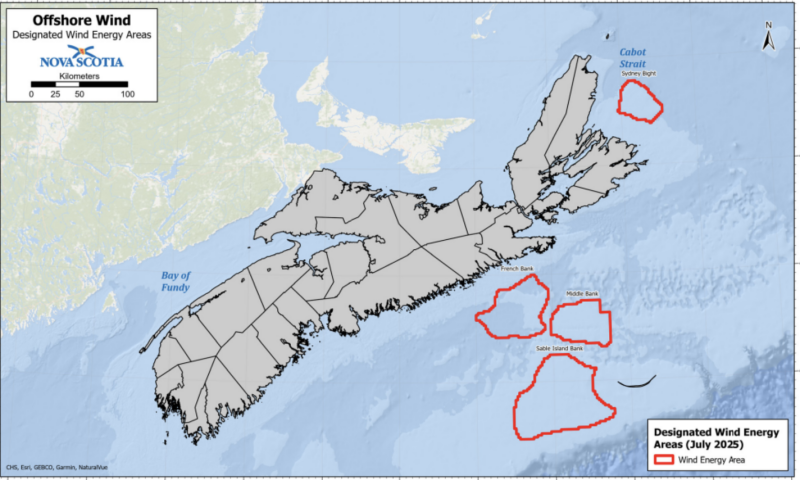
Nova Scotia in July 2025 designated four areas to develop wind power generation projects. The deal was announced as the U.S. offshore wind industry’s prospects are in disarray, amid the Trump administration’s determined roadblocks, and wind power companies pulling back amid uncertainty.
“We’re on the verge of our first call for bids to license the first offshore wind projects in Canada, and we’re advancing Wind West to build the transmission infrastructure to send that clean energy to markets,” said Houston.
“Our agreement with Massachusetts signals to developers that markets for their clean energy are solidifying, giving them even more confidence to invest in our new offshore wind industry. I look forward to sharing this clean energy with Massachusetts, powering economic opportunities for the New England region, and creating thousands of jobs and billions in investment in Nova Scotia.”
“The memorandum of understanding between the Province of Nova Scotia and the Commonwealth of Massachusetts affirms the strong, collaborative relationship between the two,” according to the Nova Scotia government. “It advances shared goals to develop clean, reliable and affordable energy; facilitate the development of resilient regional infrastructure; and create high-quality jobs throughout the supply chain.”