



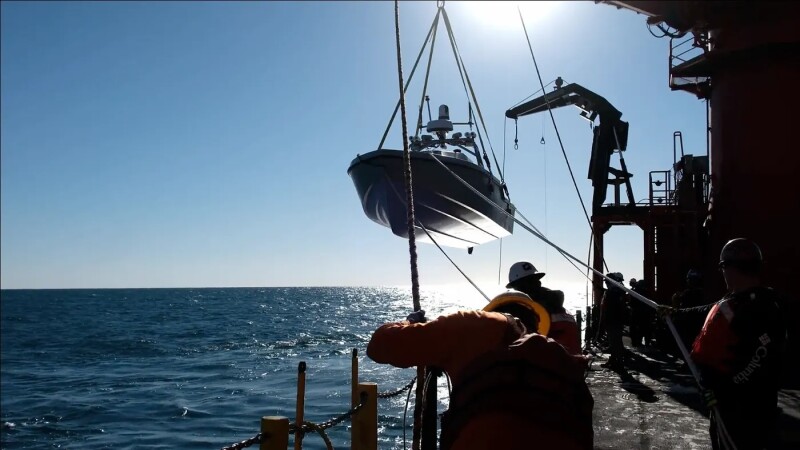
Saronic Technologies, Austin, Texas, recently completed a multi-day at-sea exercise to evaluate the performance and operational limits of its 24' Corsair autonomous surface vessel (ASV), a platform the company is developing under contract with the U.S. Navy.
The company said the weeklong test, conducted as part of its internal research and development program, was designed to run continuously to assess system reliability, endurance, and areas for hardware and software improvement under sustained operational conditions.
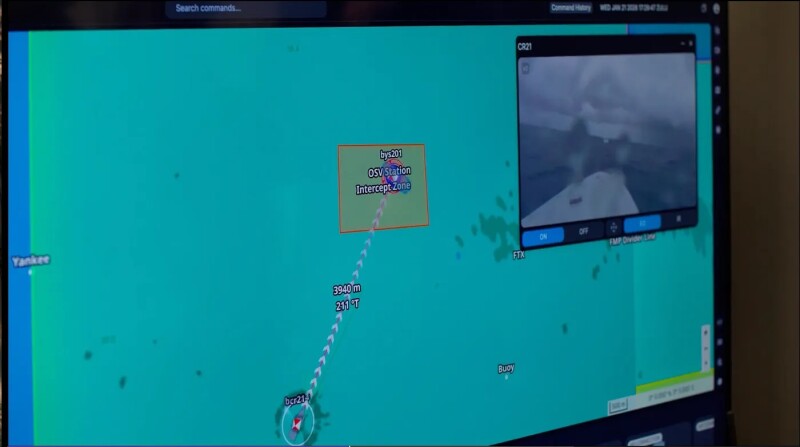
During the exercise, Saronic said a fleet of eight Corsair vessels operated more than 70 nautical miles offshore. Missions were directed from a shoreside operations center, with personnel also on supporting craft. According to Saronic, operations were maintained beyond line of sight for the duration of the event.
The test program included more than 30 autonomous harbor transits, extended offshore endurance runs, and continuous loiter operations. Over the course of the exercise, the fleet accumulated more than 4,500 nautical miles of operation across varying sea states and around-the-clock conditions.
Saronic said the event allowed engineers to evaluate system performance margins and identify potential improvements across both vessel hardware and onboard autonomy software.
A key focus of the test was long-duration, low-power operations. The company reported completing a five-day autonomous loiter in which a Corsair vessel maintained position while automatically managing power use, engaging its diesel engine only as needed to hold position.
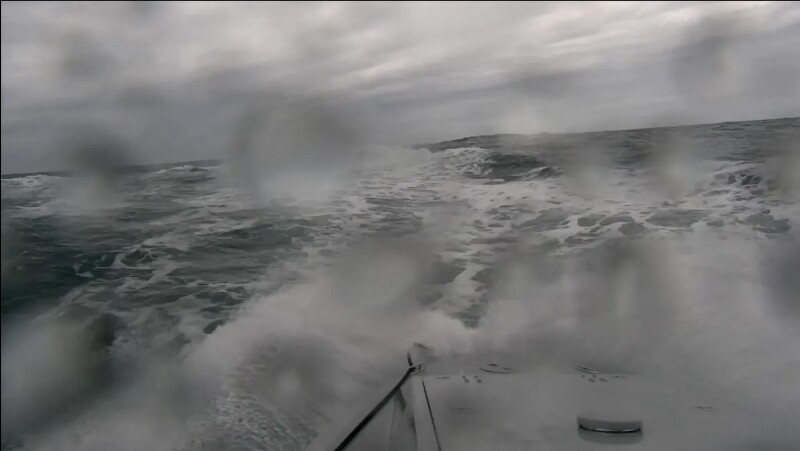
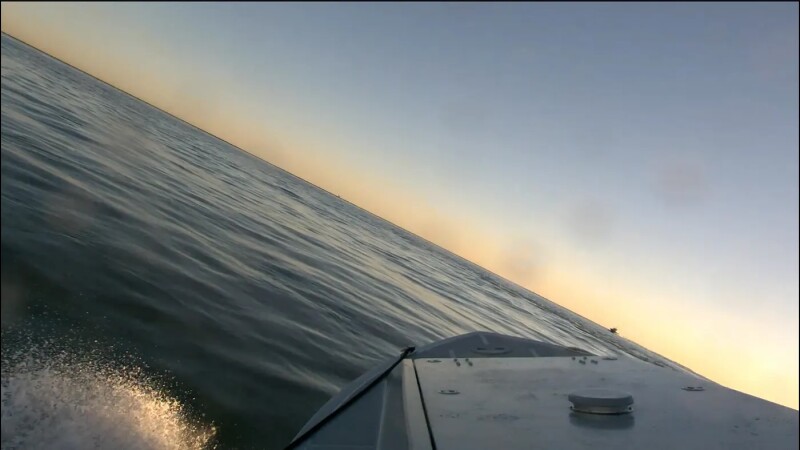
Saronic said the trials also validated long-range transit capability, including multiple runs exceeding 92 continuous hours underway. The company stated that Corsair demonstrated a range of more than 1,000 nautical miles during the exercise while maintaining autonomous navigation and mission awareness, including in scenarios where communications links were intentionally limited.
Operations were conducted in sea states that included waves of more than 5'. Saronic reported no degradation in mission execution during those conditions.
Saronic said the weeklong deployment generated approximately 500 hours of multi-camera footage totaling about 17 terabytes of data. The company plans to use the dataset for autonomy model development, replay and regression testing, and refinement of perception and navigation algorithms.
Across six days of operations, the Corsair fleet was deliberately exposed to sustained operational tempo and varying environmental conditions. Saronic said the effort was intended to better understand system durability and performance under extended use while informing future design and software updates.
The company stated that it plans to continue recurring stress-test events as part of its development approach for autonomous maritime systems intended for naval and other maritime security applications.
