


Pilot associations from across the country gathered in New Orleans for a meeting hosted by the Crescent River Port Pilots Association, aiming to formalize what participants described as a long-needed support network for engineers and crews who maintain and operate pilot boats.
Despite the associations sharing common operational challenges, their work is divided by region, eliminating direct competition with each other and allowing for useful collaboration.
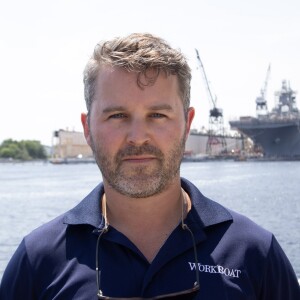
Eric Dupree, chief engineer and Pilottown station manager for Crescent River Port Pilots opened the meeting with an alliance objective, intended “to ensure the safety of state pilots, crew and equipment through maintenance and efficiency of all pilot vessels.”
Engineers, operators, and association representatives from 15 different associations discussed forming a more formal national alliance focused on pilot-boat maintenance, operational reliability, safety, and technical support. Participants emphasized that while pilot associations operate independently in their respective ports, they face many of the same pressures, including increasingly complex vessel systems, limited downtime between ship movements, workforce constraints, and growing regulatory requirements.
Dupree noted interest in the informal alliance has grown faster than anticipated, prompting discussions on how to structure the group in a way that distributes responsibility, avoids overburdening a small number of participants, and ensures sustained momentum.
“It looks like the membership here is growing a lot faster than we thought, which is a little scary,” he said. “What I'd like to do is get established, see if we can't get some sort of an official…membership…I'm looking for any suggestions on how we can get help from you guys to move the thing forward as a group.”
Current challenges
Much of the discussion centered on two recurring challenges for pilot-boat engineers: access to technical support and sufficient time to maintain vessels properly. As vessel schedules tighten and ships move faster through ports, engineers are often required to respond to mechanical issues with little margin for delay. When one pilot boat goes out of service, others frequently follow, compounding operational strain.
“If you're in this room, you know when a boat goes down, what happens next?” Dupree questioned.
“The next one breaks,” various members of the group responded simultaneously.
Dupree stated: “An engineer needs support from his association. We need support from our vendors…We need support from our boat operators to run vessels how we know they should be run,” he said. Without proper operations, “they can break it faster than we can fix it. You need time to fix things. You need time to get to training. You need time between ships, as these ships are getting faster, it's getting less and less for repairs and preventative maintenance.”
Participants noted that engineers increasingly rely on vendors, boat operators, and association leadership to ensure vessels are operated correctly and maintained efficiently. Improper operation can accelerate wear and lead to avoidable failures, while limited access to training and troubleshooting resources can extend downtime.
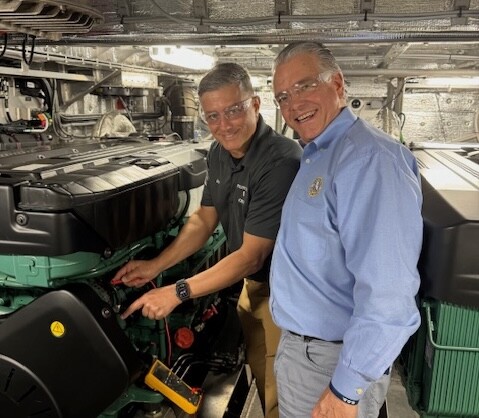
The meeting highlighted how shared expertise across associations can significantly reduce maintenance time and costs. Engineers with deep experience in specific systems including engines, electrical systems, emissions controls, and corrosion mitigation, can provide guidance to peers facing similar issues. Participants said direct communication between engineers can often resolve problems more quickly than extended troubleshooting or trial-and-error part replacement.
In the three months since the meeting, pilot associations have already initiated cross-training efforts on the Atlantic, including coordinated man overboard drills, to improve rescue preparedness and standardize response procedures across different pilot stations.
Changing tech
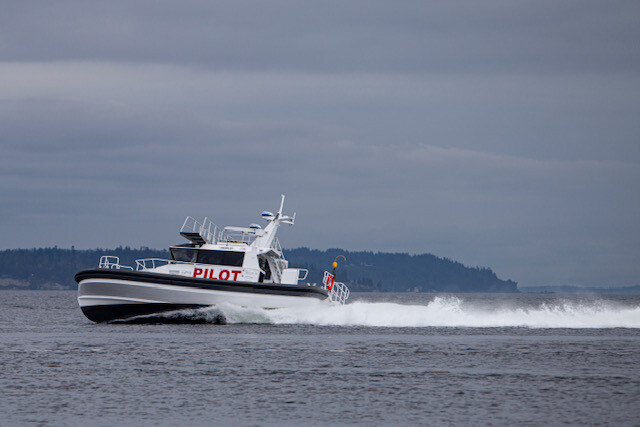
Attendees discussed how pilot boats have become more technologically complex, with modern propulsion systems, electronic controls, emissions equipment, and networked steering systems replacing older mechanical components. While these technologies improve performance and compliance, they also require new skill sets and training.
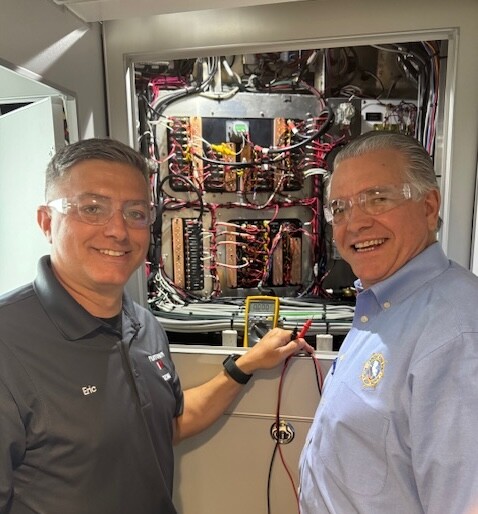
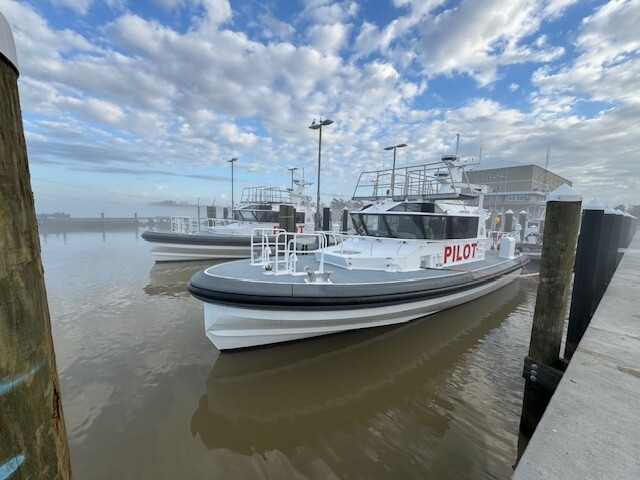
Some engineers acknowledged that adapting to newer systems can be challenging, particularly for those accustomed to traditional mechanical controls. The alliance was viewed as a way to bridge that gap by connecting engineers who have already operated and maintained newer systems with those encountering them for the first time.
Early successes demonstrate value
Several examples shared during the meeting illustrated how informal collaboration has already delivered tangible benefits. In one case, a pilot association temporarily lost access to both of its vessels due to maintenance issues and received assistance from another association that provided operational support until repairs were completed. In another instance, an association helped source hard-to-find components for a specialized fire suppression system, allowing a sidelined pilot boat to return to service months before parts were scheduled to arrive.
Participants said these experiences demonstrate the practical value of maintaining open lines of communication and shared inventories of equipment, vendors, and technical expertise. They also noted that operational failures at one pilot association can affect public perception of pilotage nationwide, reinforcing the importance of mutual support.
“Bad publicity for one association is bad publicity for all of us,” Dupree said.
The group discussed expanding use of a shared technical database that catalogs pilot boats, propulsion systems, and major equipment across participating associations. The database allows engineers to identify which associations operate similar systems and quickly connect with peers who have relevant experience.
Station visits were also identified as a long-term goal, providing opportunities to compare maintenance programs, safety procedures, training practices, and record-keeping systems. Several engineers highlighted the benefits of electronic maintenance management systems, noting improvements in scheduling, compliance tracking, and breakdown prevention.
A growing national effort
Attendees said the rapid growth of interest in the alliance reflects a broad recognition that pilot-boat engineers face similar challenges nationwide and benefit from collective problem-solving. Many described the effort as overdue, noting that comparable support structures exist in other maritime sectors.
The meeting concluded with a shared commitment to continue developing the alliance. Organizers said additional pilot associations are expected to join ahead of the next American Pilots Association convention, with the long-term goal of establishing a durable national network that supports the safety, reliability, and efficiency of pilot-boat operations across U.S. ports.
